Most Popular Types of Roof Tiles for Residential Properties
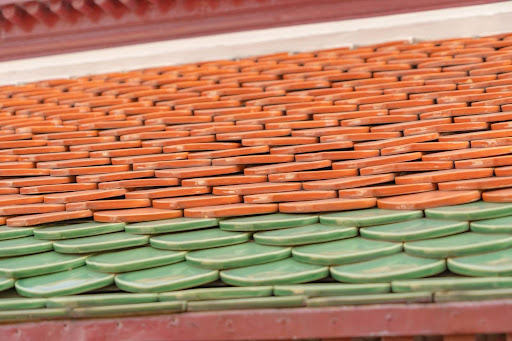
Most Popular Types of Roof Tiles for Residential Properties A home’s roof defines the house’s overall look and longevity. Choosing the right roofing material is crucial for durability, energy efficiency, and style. Roof tiles have become a preferred option for homeowners due to their variety, strength, and aesthetic appeal. The right tile type depends on climate, budget, and architectural design. Understanding different types of roof tiles helps homeowners make informed choices that offer lasting benefits. Top Types of Roof Tile Options for Residential Homes The type of roof tile used can impact a home’s durability, energy efficiency, and aesthetic appeal. With various options available, homeowners can choose tiles that enhance their home’s style while providing long-term protection. Each type of roof tile offers unique benefits, making it essential to understand their features before deciding. Exploring different materials ensures the right fit for both functional and design needs: Clay Roof Tiles for Traditional and Modern Homes Clay roof tiles have been a staple in residential roofing for centuries. Their natural composition and time-tested durability make them a top choice for homeowners. Known for their ability to withstand extreme weather, these tiles add charm and functionality to homes. Their rich color and texture options make them suitable for both traditional and contemporary architectural styles. Characteristics and Benefits Clay tiles are highly resistant to fire, rot, and insects, making them one of the most durable roofing options. Their natural composition makes them eco-friendly and fully recyclable. Due to their density, they provide excellent insulation, keeping homes cooler in summer and warmer in winter. With proper maintenance, clay roof tiles can last over 50 years, making them a long-term investment. They also require minimal repairs compared to other materials. Aesthetic Appeal and Variations These tiles come in various styles, including mission, Spanish, and interlocking designs. Homeowners can choose from colors ranging from natural terracotta to custom-glazed finishes. Their curved or flat profiles allow customization based on architectural preferences. The weathering process enhances their rustic beauty, giving homes a timeless appeal. Customization options allow homeowners to match their roofing with exterior design elements seamlessly. Considerations Before Choosing Clay Roof Tiles Clay tiles are heavier than many other roofing materials, requiring a reinforced roof structure for support. They can be more expensive upfront, but their longevity makes them a cost-effective choice in the long run. Experienced professionals should do the installation to prevent breakage. Regular inspections help detect and replace cracked tiles to maintain structural integrity. Homeowners should consider climate suitability, as extreme freeze-thaw cycles can cause cracking. Concrete Roof Tiles for Versatile and Cost-Effective Roofing Concrete tiles offer a balance between affordability and durability. They provide a similar aesthetic to clay tiles but at a lower price. Their strength and variety make them a popular choice for residential properties. With advancements in design, they now resemble other high-end roofing materials while offering long-lasting performance. Durability and Strength Concrete roof tiles are highly resistant to fire, wind, and heavy rain, making them ideal for various climates. They maintain their structural integrity even under harsh weather conditions. Their weight prevents them from lifting during strong winds, reducing storm damage. With regular roof maintenance, concrete tiles can last up to 50 years. They offer excellent protection without requiring frequent replacements. Design and Color Options Manufacturers produce concrete tiles in different shapes, including flat, low-profile, and high-profile designs. They can mimic the appearance of clay, slate, or even wood shake roofing. A wide range of colors allows homeowners to match their preferred aesthetic. Textured and smooth finishes provide further customization options. The versatility of concrete tiles makes them suitable for modern and traditional homes. Installation and Maintenance Considerations Concrete tiles are heavier than asphalt shingles but lighter than clay, requiring a moderately strong roof structure. They absorb more moisture than clay, which can increase their weight during rainy seasons. Regular sealing and protective coatings prevent excessive water absorption. Routine inspections help detect minor damages before they escalate. Proper installation ensures their longevity and prevents structural strain on the home. Slate Roof Tiles for Elegant and Long-Lasting Roofing Slate roof tiles provide a luxurious and durable roofing solution. They are made from natural stone, making them highly resilient against weathering. With an elegant appearance and superior longevity, slate tiles are often used for high-end homes. Their ability to last for over a century makes them one of the most durable roofing materials. Natural Elegance and Longevity Due to their natural stone composition, slate tiles add sophistication to any home. They resist fire, mold, and extreme weather, making them a substantial long-term investment. Properly installed slate roofs can last over 100 years with minimal maintenance. Their durability reduces the need for frequent replacements, offering cost savings over time. Homeowners seeking a premium, historic look often opt for slate roofing. Variations in Colors and Textures Slate tiles come in various colors: gray, black, green, and purple. Their natural variations ensure that no two slate roofs look the same. The texture can be rough or smooth, allowing customization based on the desired aesthetic. Over time, exposure to the elements may slightly alter the tile’s color, enhancing its natural beauty. Homeowners can select from different thicknesses to match architectural preferences. Challenges of Installing and Maintaining Slate Roof Tiles Slate is one of the heaviest roofing materials, requiring a reinforced roof structure. The installation process is labor-intensive and should be done by experienced professionals. Slate tiles can be costly upfront, but their longevity offsets the initial expense. If damaged, individual tiles can be replaced without affecting the entire roof. Homeowners should ensure their home’s structure can support the added weight before installation. Metal Roof Tiles for Energy Efficiency and Modern Appeal Metal roof tiles have gained popularity due to their lightweight, durability, and energy efficiency. They provide a sleek and contemporary look while maintaining excellent protection against the elements. Homeowners who want a modern aesthetic with long-lasting performance often choose metal roofing. Lightweight and Durable Metal tiles are significantly lighter than clay and slate,
Roof Shapes: How Long Does it Take to Replace a Roof?
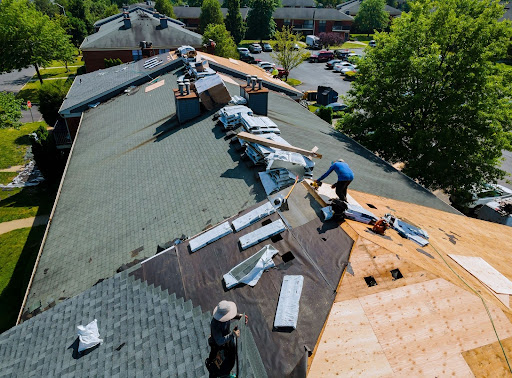
Roof Shapes:How Long Does it Take to Replace a Roof? A roof protects everything inside a home, making it one of the most essential parts. When leaks, aging, or storm damage compromise its structure, replacement becomes a priority. Homeowners often wonder how long the process will take, especially if they need to make living arrangements. Some roof replacements take a single day, while others stretch for weeks. Understanding what affects the timeline helps homeowners set realistic expectations. How Long Does it Take to Replace a Roof From Start to Finish? Roof replacement timelines vary based on several factors. The type of material, roof size, and contractor availability all impact how quickly the job gets done. Some projects are straightforward, while others require extra time due to complexity or unforeseen damage. Weather conditions also play a role, especially in areas prone to storms or extreme temperatures. Knowing what to expect helps homeowners plan accordingly. Factors That Affect Time to Replace a Roof Several factors determine how long a roof replacement takes. The type of roofing material matters since some materials take longer to install than others. Weather conditions can delay progress, especially if rain, wind, or extreme temperatures make work unsafe. The roof’s size and complexity also impact the timeline—steep or intricate roofs require more time and skill. Additionally, contractor schedules and material availability can cause unexpected delays. Typical Time to Replace a Roof by Material Different roofing materials come with varying installation times. Asphalt shingles, the most common option, can be installed in a day or two. Metal roofs take longer due to custom cutting and detailed installation. Tile and slate require expert craftsmanship, often stretching the process to a week or more. Flat roofs vary in installation time depending on the materials used, with some taking a few days and others lasting over a week. Steps in the Process to Replace a Roof Replacing a roof is more than just putting on new shingles—it’s a structured process that ensures durability and long-term protection. Each phase requires careful planning, skilled labor, and the right materials to avoid costly mistakes. While some projects move quickly, unexpected issues like hidden damage or bad weather can extend the timeline. Knowing how the process works helps homeowners prepare for potential delays and make informed decisions throughout the replacement. 1. Inspection and Estimate A contractor begins by inspecting the current roof and assessing the level of damage. This step determines whether a complete replacement is necessary or if roof repairs might be enough. The inspection typically takes a few hours, but obtaining an official estimate may take a day or more. This process can add several days to the timeline if permits or insurance claims are required. Homeowners should account for these potential delays before scheduling work. 2. Removing the Old Roof Tearing off an old roof can take a few hours to a full day. The time required depends on the number of layers and the type of materials used. Heavier materials like slate and tile take longer to remove than asphalt shingles. Cleanup and disposal are also factors, especially when dealing with multiple roofing layers. If hidden structural damage is found, additional repairs may extend the timeline. 3. Preparing the Deck Proper preparation is crucial for the roof deck, the foundation for new materials. Contractors inspect it for rot, water damage, or structural weakness. If repairs are needed, they must be completed before proceeding. The time required for this step depends on the extent of the damage. A well-prepared deck ensures the new roof lasts longer and performs as expected. 4. Installing New Materials Installation time depends on the material being used. Asphalt shingles are installed quickly, usually within a day or two. Metal roofing requires precise cutting and sealing, extending the timeline. Tile and slate roofs demand expert craftsmanship, which can add several days to a week. Proper installation is key to preventing roof leaks and future issues regardless of the material. Quality craft ensures the roof remains durable for years to come. 5. Final Inspection and Cleanup Once installation is complete, a final inspection ensures everything meets quality and safety standards. Contractors check for proper sealing, secure fastenings, and overall structural integrity. Cleanup involves removing debris, stray nails, and leftover materials. Homeowners should discuss the completed job with their contractor to address any concerns. A thorough inspection and cleanup mark the end of the project. Additional Factors Impacting Roof Replacement Timing The type of roofing material plays a significant role in determining how long the replacement takes. Asphalt shingles are the fastest to install, often completed in one to two days. Metal roofs take longer, usually around two to four days, due to the precision needed for cutting and sealing. Tile and slate roofs require expert craftsmanship and additional labor, extending the process from five days to two weeks. Time Breakdown for Each Step in Roof Replacement Each step in replacing a roof adds to the project’s overall duration. The initial inspection and permit approvals can take one to five days, depending on local regulations and contractor availability. Removing the old roof usually takes one to three days, but the process can be longer if multiple layers exist. Installation varies based on materials; some take just a day, while others require over a week. Final inspection and cleanup follow, which typically takes one day. Weather Delays and Their Impact on Roof Replacement Weather conditions can significantly affect the time it takes to replace a roof. Rain and snow create unsafe working conditions, forcing delays until the roof deck is dry. High winds can slow installation, especially for lightweight materials that require careful placement. Extreme heat also affects workers, leading to shorter work hours and a longer overall timeline. How Roof Size and Complexity Affect the Duration The size and shape of a roof determine how long the replacement will take. A smaller home with a simple roof design can be completed in as little as one to three days. Larger
How Long Do Roofs Last
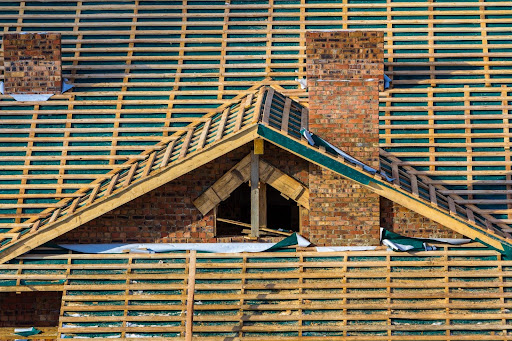
How Long Do Roofs Last? Roofs protect buildings from the elements, but over time, they can degrade due to weather, age, and other factors. A roof’s lifespan depends on several variables, such as the material used, climate, and maintenance. Homeowners and property managers can plan for upkeep or replacement by recognizing how long different types of roofs typically last. Proper care can extend a roof’s life, ensuring it provides reliable protection for years. Why Your Roof’s Lifespan Matters A roof’s lifespan directly affects a building’s safety and efficiency. Property owners may face unexpected costs and disruptions without understanding how long a roof is likely to last. Planning for maintenance or replacement in advance helps avoid sudden emergencies and ensures the building remains protected. Awareness of your roof’s expected lifespan makes long-term upkeep easier and can save money in the long run. Budgeting for Repairs or Replacement Knowing your roof’s expected lifespan allows for better financial planning. Early awareness helps avoid unexpected repair costs, enabling property owners to save up for upcoming expenses. This proactive approach ensures that funds are available when it’s time for major repairs or replacement. Preventing Structural Damage A roof nearing the end of its lifespan may begin to leak or show signs of wear that can lead to structural damage. Water damage can affect walls, ceilings, and foundations, leading to more expensive repairs. Regular roof checks can help identify problems before they escalate into major, costlier issues. Increasing Energy Efficiency Old or damaged roofs may lose insulation, leading to higher energy bills. Roofs past their prime might allow heat or cool air to escape, putting extra strain on heating and cooling systems. Timely maintenance or replacement restores energy efficiency and reduces utility costs. Avoiding Health Hazards A deteriorating roof can cause moisture buildup, leading to mold or mildew growth. These health hazards can impact a building’s indoor air quality. By keeping your roof in good condition, you reduce the risk of mold-related issues and protect the health of occupants. Improving Property Value A well-maintained roof increases a property’s value, making it more appealing to potential buyers. Roof replacements or significant repairs can raise curb appeal and prevent the need for immediate work during a sale. Knowing when to replace or maintain the roof helps preserve and enhance the property’s market value. Factors Affecting a Roof’s Lifespan Several factors determine how long a roof will last. The materials used, the climate in which the roof is located, and the level of maintenance all contribute to its durability. Even the quality of installation can impact a roof’s lifespan. Knowledge of these factors allows property owners to take proactive steps to extend the life of their roofs: Roofing Materials Different roofing materials have varying lifespans. Asphalt shingles typically last twenty to thirty years, while metal roofs can last fifty or more. The material’s durability affects its ability to withstand weather conditions and general wear. Choosing a high-quality roofing material can significantly extend the roof’s life. Climate and Weather Conditions Extreme temperatures, heavy rainfall, snow, and frequent storms can all accelerate roof wear. For example, roofs in areas with harsh winters may face additional stress from freezing and thawing cycles. A roof in a consistently wet or windy climate may need more frequent inspections and maintenance. Maintenance and Inspections Regular roof maintenance helps identify minor issues before they become major problems. Cleaning gutters, checking for damage, and addressing repairs promptly can prolong the roof’s lifespan. A neglected roof is more prone to leaks, structural damage, and other issues that shorten its lifespan. Quality of Installation A roof that is installed improperly will likely face problems much sooner than one that is carefully constructed. Mistakes during installation, such as improper flashing or insufficient ventilation, can cause leaks and wear. Ensuring experienced professionals install the roof can prevent premature degradation. Roof Slope and Ventilation The slope of a roof affects how well water drains off and how much debris collects. Steeper roofs typically handle rain and snow better, reducing the risk of water pooling or ice dams. Proper ventilation is equally important to prevent heat buildup and moisture issues in the attic, which can degrade roofing materials over time. Lifespan of Different Roofing Materials The type of roof material you choose significantly impacts its lifespan and ability to withstand weather conditions. Each roofing material has advantages and disadvantages, influencing how long it will last under typical wear and tear. Factors like climate and maintenance also affect the durability of each roofing option. Asphalt Shingles Asphalt shingles are one of the most commonly used roofing materials due to their affordability and ease of installation. They typically last between twenty to thirty years, depending on the quality and maintenance. However, they may degrade quicker in extreme weather conditions or poor ventilation. Metal Roofs Metal roofs are highly durable and can last anywhere from forty to seventy years, depending on the material (steel, aluminum, copper, etc.). Their resistance to extreme weather, including high winds and snow, makes them ideal for various climates. Regular maintenance, such as clearing debris, helps maintain their longevity. Tile and Slate Roofs Tile and slate roofs are some of the most durable, often lasting fifty years or more. These materials are resistant to fire, rot, and severe weather, making them ideal for regions prone to natural disasters. However, they can be heavy and require additional structural support, which could add to installation costs. Wood and Shake Roofs Wood roofs, particularly cedar shakes, typically last thirty to forty years when properly maintained. They provide a natural aesthetic but require more upkeep, including regular treatments to protect against rot and insect damage. In wetter climates, they may deteriorate faster, requiring more frequent inspections and maintenance. Flat Roofs Flat roofs are often seen on commercial buildings, but residential buildings can also use them. Flat roofs can last ten to thirty years, depending on the materials used (such as TPO, EPDM, or modified bitumen). However, they are prone to pooling water and debris accumulation,
Types of Roofing: Which is Best for You?
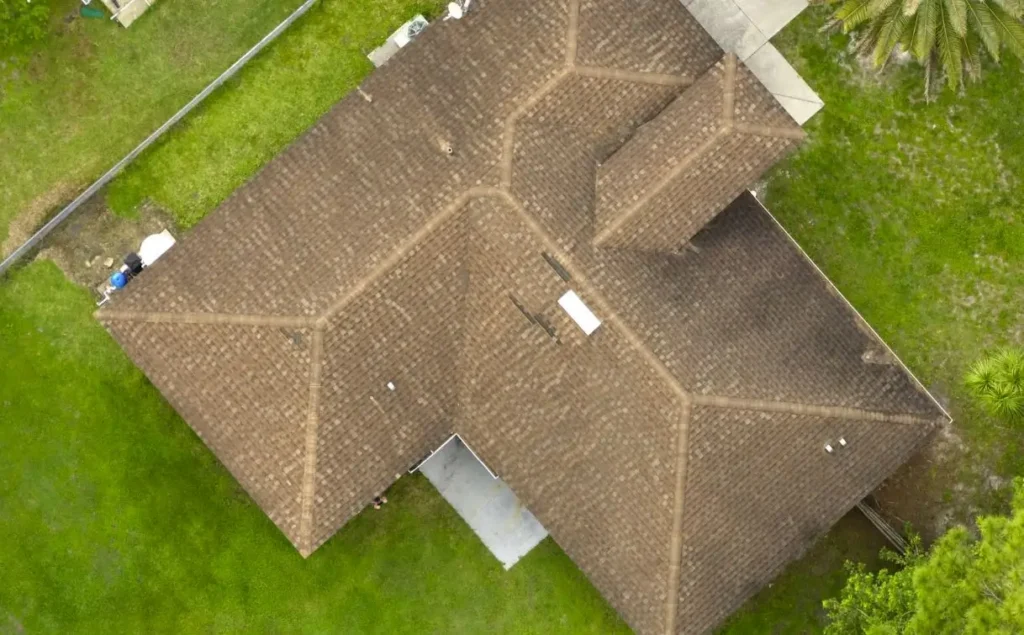
Types of Roofing: Which is Best for You? Choosing the right roofing can significantly improve your property’s longevity and performance. With so many options available, selecting the ideal material depends on climate, durability, and cost. Each type of roofing offers unique advantages, allowing homeowners to match their needs with the right solution. A well-informed decision ensures lasting protection, increased property value, and reduced maintenance in the years ahead. Why Homeowners Must Understand Different Types of Roofing Roofs are more than a protective barrier—they influence home durability, energy efficiency, and property value. Choosing the right type requires careful consideration of climate, maintenance, and cost factors. A well-suited roof enhances curb appeal while reducing long-term expenses on repairs and replacements. Homeowners who educate themselves about different roofing options make informed decisions that align with their needs and budget. Roof Types Impact Home Comfort The right roofing material helps regulate indoor temperatures, reducing the strain on heating and cooling systems. Certain options, such as metal and tile, improve ventilation and reflect heat away from the home. Poorly chosen roofs trap heat or allow cold air to seep in, making interiors uncomfortable. Selecting the right type improves energy efficiency and enhances overall living conditions. Choosing the Right Roof Prevents Unnecessary Repairs A roof that suits the local climate lasts longer and requires fewer repairs. Some materials, like asphalt shingles, may wear down quickly in extreme weather, while metal or slate provide better resistance. Investing in a durable option minimizes the risk of leaks, cracks, and costly damage. Homeowners who pick the right roof save money on frequent maintenance and unexpected fixes. Fire Resistance Differentiates Roofing Materials Roofing options offer better protection against fire hazards, reducing risks in wildfire-prone areas. Metal, slate, and clay tiles have high fire resistance, while wood shakes require treatment to improve safety. Choosing a fire-resistant roof enhances home security and may lower insurance premiums. Homeowners who prioritize safety opt for materials that minimize fire risks. Proper Roof Selection Lowers Insurance Costs Insurance companies assess roof materials and durability when determining premium rates. Impact-resistant roofs, such as metal or slate, often qualify for lower premiums because they withstand harsh weather. Due to increased risk, homes with older or less durable roofs may face higher insurance costs. Investing in a reliable roofing material reduces financial burdens in the long run. Noise Levels Vary Depending on the Roof Type Some roofing materials provide better sound insulation, affecting indoor noise levels. Metal roofs, for example, can be loud during heavy rain or hail unless adequately insulated. Clay tiles and asphalt shingles absorb sound more effectively, making interiors quieter. Selecting a roofing material that reduces noise improves overall comfort inside the home. A Roof Impacts Overall Structural Integrity An adequately chosen roof provides essential support to a home’s structure. Materials that fail to handle weight or weather conditions stress the foundation and walls. Issues such as leaks, sagging, and mold growth arise when a roof does not function as intended. Homeowners who prioritize firm, well-suited roofing materials help maintain the stability of their property. Types of Roofing Materials Selecting the right roofing material can impact your roof’s performance and longevity. Different materials cater to specific needs, climates, and budgets, making it essential to choose one that aligns with your priorities. The following roofing options offer a range of benefits. Each contributes to the effectiveness and durability of homes: Asphalt Shingles Asphalt shingles are affordable and easy to install, making them a popular choice for homeowners on a budget. They come in various colors and styles, offering versatility in design. These shingles perform well in moderate climates, providing reliable protection against rain and wind. They may not be as durable in extreme conditions, but they are well-suited for standard residential use. Metal Roofing Metal roofing is highly durable and resistant to extreme weather, including heavy rain, snow, and high winds. It offers excellent energy efficiency, reflecting heat to help reduce cooling costs in warmer climates. Ideal for areas prone to severe weather, metal roofing also has a long lifespan, often exceeding 50 years. It’s a great option for homeowners seeking longevity and durability, though it may have a higher initial cost. Clay Tiles Clay tiles are known for their distinctive appearance and superior insulation properties. They are highly effective at resisting heat, making them ideal for hot, dry climates where energy efficiency is key. The material is durable and long-lasting, often outlasting asphalt shingles for decades. However, clay tiles can be heavy and require extra structural support, making them best suited for certain homes. Slate Roofing Slate roofing offers unmatched durability and longevity, often lasting over 100 years. It is fire-resistant, water-resistant, and capable of withstanding harsh weather conditions. Due to its weight, slate is typically installed on homes with the proper structural support. While the material is expensive, it is perfect for a premium roofing option with aesthetic appeal and durability. Wood Shingles Wood shingles are an eco-friendly option made from renewable resources. They provide a natural, rustic look, offer good insulation properties, and are well-suited for temperate climates. Over time, they develop a weathered look that many homeowners find attractive. However, wood shingles are vulnerable to pests and may require more maintenance than other materials. Rubber Roofing Rubber roofing is a flexible and eco-friendly option made from recycled materials. It is particularly effective for flat roofs, offering waterproofing and durability. It is a low-maintenance choice, ideal for homeowners seeking a long-lasting, affordable solution. Rubber roofing may not appeal to those seeking a traditional look, but it is an excellent choice for utility buildings or eco-conscious homes. Factors to Consider When Choosing the Right Type of Roofing Choosing the right roofing material involves more than picking a style or color. Several factors determine which option best suits your home, ensuring long-term performance and value. Consider these factors when evaluating your roofing options: Durability Roofing durability refers to how well a material can withstand the elements over time. Materials like metal and slate offer long
Roof Shapes: Which Are the Best for Homeowners?
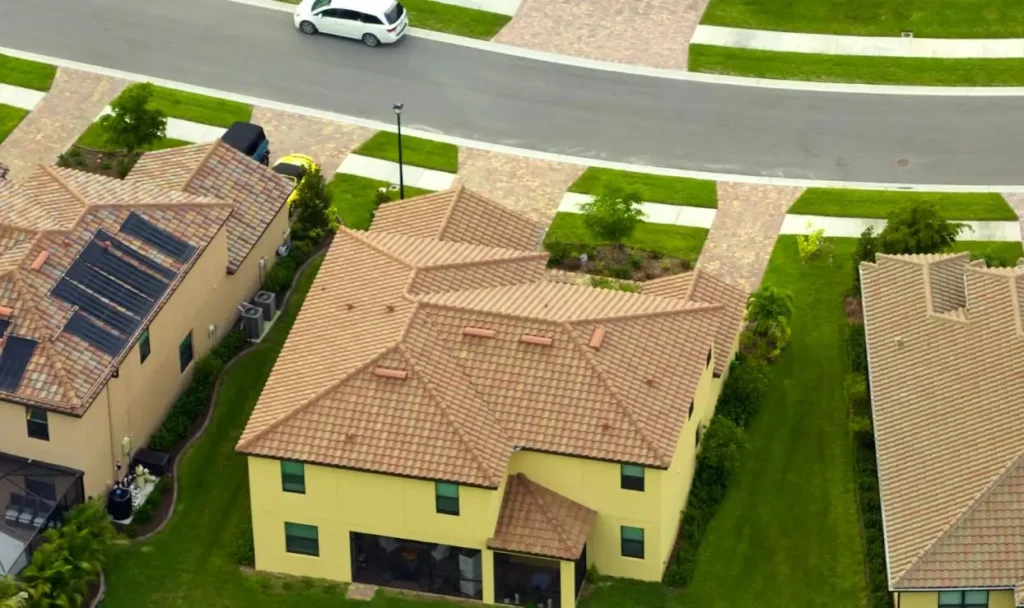
Roof Shapes: Which Are the Best for Homeowners? The roof is a home’s crowning feature, shaping its identity and resilience. For homeowners, selecting the right roof goes beyond aesthetics—it’s about longevity, functionality, and comfort. A well-chosen roof can enhance curb appeal, withstand environmental challenges, and add value to your property. Understanding different roof shapes is key to making an informed decision. Discover the options that perfectly balance style, durability, and practicality for your home. Choosing the Perfect Roof Shape for Your Home The shape of your roof does more than protect your home. It defines its character, durability, and efficiency in various climates. The right roof shape can improve energy efficiency and maximize your home’s functionality. It also plays a significant role in ensuring your home stands strong against the elements. From classic gable roofs to skillion roof designs, each shape offers unique benefits for your home and lifestyle: Gable Roof Shapes: A Timeless Choice Gable roofs are among the most popular styles worldwide. Their simplicity and functionality make them a top choice for many homeowners. These roofs also complement various architectural designs, making them versatile and practical. Characteristics of Gable Roof Shapes Gable roofs have a triangular design with two sloping sides. They provide efficient drainage, especially in rainy areas. Attic space and ventilation are easily accessible. Their design can handle snow but struggles in high winds. Building them is simple compared to more complex roof styles. Benefits of Gable Roofs for Homeowners Gable roofs are cost-effective and easy to build. They suit traditional, modern, and rural home styles. Extra attic space is ideal for storage or conversion. Proper materials can minimize weather-related risks. They remain a perfect option for families prioritizing practicality. Hip Roof Shapes: Stability and Elegance Hip roofs slope on all four sides, providing balance and stability. This design is highly favored in regions prone to strong winds or heavy snowfall. Its elegant, symmetrical structure complements both modern and traditional homes. Key Features of Hip Roof Shapes Hip roofs are more stable than gable roofs. Their four-sided design performs well in extreme weather. This style offers a symmetrical, balanced appearance. It requires more materials and precision during construction. The design combines function and aesthetics seamlessly. Why Homeowners Prefer Hip Roofs Hip roofs boost structural integrity in rough climates. Their aesthetics significantly enhance curb appeal. A well-sealed structure reduces leaks. Maintenance is easier in regions prone to snow or rain. Though costly, they ensure lasting durability and elegance. Flat Roof Shapes: Modern and Minimalist Flat roofs are a hallmark of contemporary architecture, known for their clean, minimalist design. This style appeals to homeowners seeking functionality with a modern edge. Flat roofs also offer versatile spaces serving as gardens, patios, or energy-efficient zones. Distinct Features of Flat Roof Shapes Flat roofs have a nearly horizontal structure and need a slight slope to drain water effectively. Maintenance can be challenging in heavy rainfall areas. This design provides a unique architectural touch, and flat roofs are a practical option for minimalist designs. Advantages of Flat Roofs for Homeowners Flat roofs are cost-effective for modern home designs. They allow for rooftop gardens or solar panel installation. Repairs are often easier due to accessible surfaces. Insulation options help improve energy efficiency. Their simple structure supports flexible,eco-friendly living. Mansard Roof Shapes: Sophistication and Space Mansard roofs are a hallmark of French architecture, combining elegance with utility. This design is perfect for homeowners looking to maximize space while adding sophistication. Its versatility makes it a favorite for both urban and suburban settings. Features of Mansard Roof Shapes Mansard roofs have four sides with two distinct slopes. The lower slope is steeper, creating extra living space. This design suits urban homes or areas with zoning rules. Construction is intricate, requiring skilled craftsmanship. Mansard roofs offer elegance and functional flexibility. Why Homeowners Choose Mansard Roofs Mansard roofs maximize living areas with additional floors. Their aesthetic charm boosts a home’s value significantly. This style blends well with historical and urban landscapes. Despite higher costs, the space gained is worth it. Mansard roofs bring timeless beauty to modern living. Shed Roof Shapes: Simplicity With a Modern Edge Shed roofs, with their single sloped design, offer simplicity and efficiency. They are an excellent choice for eco-conscious homeowners. Their popularity stems from their minimalist style and suitability for smaller, modern structures. Characteristics of Shed Roof Shapes Shed roofs slope in one direction, ideal for water drainage. They require fewer materials, making them cost-efficient. The design suits homes with solar panels. Their steep angle ensures proper drainage and snow shedding. Shed roofs are functional and cost-effective for modern homes. Benefits of Shed Roofs for Homeowners Shed roofs are great for green or sustainable homes. They’re simple to build and maintain over time. The slanted design allows more natural light indoors. Their unique look stands out in contemporary designs. Shed roofs reflect modern simplicity and efficiency. Butterfly Roof Shapes: Unique and Sustainable Butterfly roofs feature an inverted V shape, resembling butterfly wings. Their distinctive appearance is ideal for modern, eco-friendly designs. This roof type is gaining attention for its energy efficiency and striking visual appeal. Features of Butterfly Roof Shapes Butterfly roofs slope inward, creating a central valley. This design naturally collects rainwater for reuse. It provides excellent ventilation and allows large windows for natural light. The unique shape adds a futuristic and modern touch to homes. However, proper drainage systems are essential to prevent water pooling. Why Homeowners Choose Butterfly Roofs Butterfly roofs are eco-friendly, supporting water conservation systems. Their modern aesthetic makes homes stand out. They allow for solar panels and green roofs, maximizing sustainability. Homes with this design feel open and airy due to increased natural light. Despite higher roof installation costs, the long-term benefits are substantial. Dormer Roof Shapes: Classic with Added Space Dormer roofs combine functionality with charm by adding small vertical windows or structures to an existing roof. These are perfect for homeowners wanting additional space and light without compromising style. Features of Dormer Roof
What Are the Best Types of Roofing Shingles?
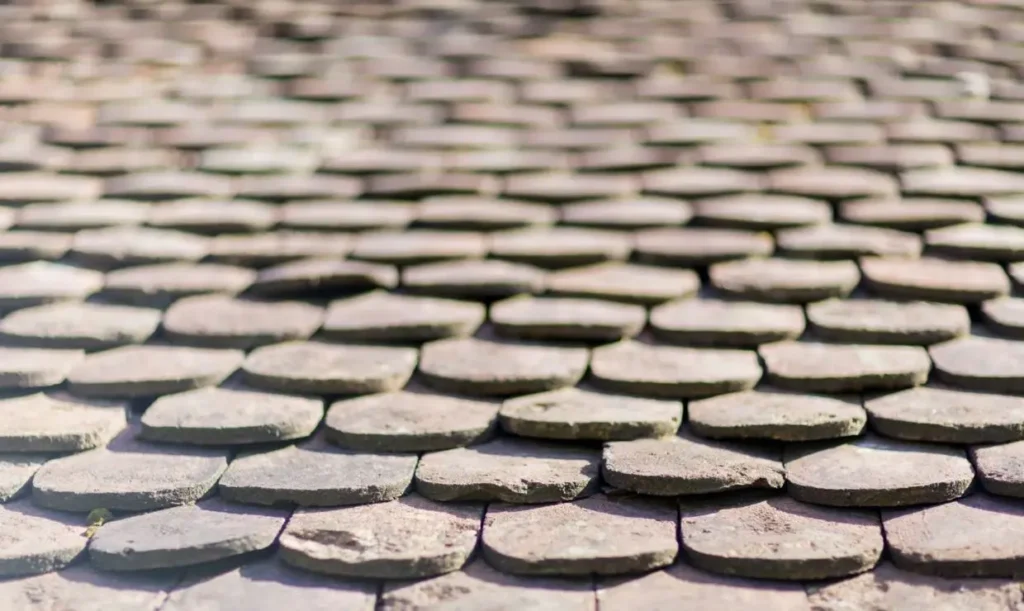
What Are the Best Types of Roofing Shingles? The right roofing shingles can transform a house, enhancing its curb appeal and longevity. They serve as the first line of defense against the elements, protecting your home from rain, wind, and extreme temperatures. With various options available, shingles cater to different styles, climates, and budgets. Choosing wisely can improve aesthetics, energy efficiency, and overall durability. Understanding different shingles’ unique features and benefits is essential for making an informed and lasting investment. Different Types of Roofing Shingles for Your Home A durable and visually appealing roof starts with the right shingles. Different materials and styles can significantly impact a roof’s performance and appearance. Finding the best type requires evaluating your home’s needs and long-term goals. Consider factors like climate, budget, and desired aesthetic when choosing. The correct shingles protect your home and enhance its overall value. Asphalt Shingles: Affordable and Versatile Asphalt shingles dominate the roofing industry due to their affordability and versatility. They come in various styles and colors, offering excellent adaptability. They are easy to install and maintain, making them a popular choice for homeowners nationwide. Asphalt shingles also provide decent weather resistance, though their durability varies depending on the type. Three-tab Shingles: Cost-Effective and Simple Design Three-tab shingles are the most basic type of asphalt shingles. They have a flat, uniform look that appeals to budget-conscious homeowners. While cost-effective, they offer adequate protection against moderate weather conditions. However, their lifespan—typically 20 years—is shorter than other asphalt varieties. These shingles work well for those prioritizing affordability over extended durability. Architectural Shingles: Enhanced Durability and Aesthetic Appeal Architectural shingles are a step up from three-tab options. They are thicker, more durable, and mimic the appearance of wood or slate. Their layered design adds depth and texture, boosting a home’s visual appeal. These shingles are known for their resistance to high winds and heavy rainfall. Homeowners seeking both style and performance favor architectural shingles. Premium Asphalt Shingles: Superior Quality and Style Premium asphalt shingles offer top-tier quality and design. They replicate the look of high-end materials like natural slate but at a fraction of the cost. These shingles are engineered for enhanced durability and longevity, often lasting 30 years. They are ideal for homeowners who desire premium aesthetics without the hefty price tag of natural materials. Metal Shingles: Long-Lasting and Energy-Efficient Metal shingles are prized for their durability and energy efficiency. They reflect sunlight, helping to regulate indoor temperatures and lower energy costs. With a lifespan of 40-70 years, metal shingles require little maintenance and perform well in various climates. Their sleek, modern appearance adds a unique touch to a home’s exterior. Aluminum Shingles: Lightweight and Corrosion-Resistant Aluminum shingles are lightweight and corrosion-resistant, making them perfect for coastal regions. They can withstand salty air and moisture without rusting or deteriorating. These shingles are also recyclable, appealing to environmentally conscious homeowners. Their low weight reduces structural strain, making them suitable for older homes. Steel Shingles: Robust and Versatile Steel shingles offer a balance of strength and versatility. Coated with protective finishes, they resist rust and are available in many colors and textures. These shingles are strong enough to handle extreme weather, including hailstorms and heavy snow. Steel’s affordability compared to other metals makes it a practical choice for many homeowners. Copper Shingles: Unique and Elegant Finish Copper shingles are a luxurious option that ages beautifully over time. They develop a natural patina, shifting from bright copper to a weathered green. Known for their durability and resistance to corrosion, copper shingles are among the longest-lasting options. While costly, their timeless elegance makes them an excellent investment for those seeking a distinctive roof. Wood Shingles: Rustic Charm and Natural Appeal Wood shingles provide a classic, rustic look that blends well with natural surroundings. They offer excellent insulation, helping to regulate indoor temperatures. While wood shingles are less durable than metal or slate, proper maintenance can extend their lifespan. They are ideal for those seeking an eco-friendly and aesthetically pleasing roofing material. Cedar Shingles: Durable and Decay-Resistant Cedar shingles are a popular wood roofing option due to their natural resistance to decay and insects. They are lightweight, easy to install, and provide a warm, earthy aesthetic. Over time, cedar shingles weather to a silver-gray finish, adding character to your roof. They are ideal for areas with moderate climates. Redwood Shingles: Lightweight and Sustainable Redwood shingles are prized for their lightweight nature and sustainability. Sourced from renewable materials, they offer an environmentally friendly roofing solution. Redwood shingles are also naturally resistant to insects and rot, ensuring durability. Their vibrant red tones add a unique touch to a home’s exterior. Treated Wood Shingles: Enhanced Longevity Treated wood shingles are infused with preservatives to improve their resistance to moisture and fire. This treatment enhances the longevity of traditional wood shingles, making them more reliable. They retain the natural beauty of wood while offering improved performance in harsh conditions. These shingles are a practical upgrade for homeowners in areas with demanding weather. Slate Shingles: Timeless Elegance and High Durability Slate shingles are synonymous with luxury and longevity. Known for their natural beauty, they offer a refined appearance that enhances a home’s architectural style. Slate’s dense structure provides unparalleled durability, making it resistant to fire, water, and extreme weather. While expensive, slate shingles are a worthwhile investment for those prioritizing elegance and performance. Natural Slate Shingles: Authentic and Long-Lasting Natural slate shingles are crafted from quarried stone, ensuring authenticity and durability. Their lifespan often exceeds 100 years, making them one of the most long-lasting roofing options. These shingles come in various shades and textures, allowing homeowners to customize their roofs. Their weight requires a substantial roof structure, which should be considered during installation. Synthetic Slate Shingles: Cost-Effective and Lightweight Synthetic slate shingles are made from composite materials, offering a budget-friendly alternative to natural slate. They mimic the appearance of real slate while being lighter and easier to install. These shingles are resistant to cracking and weather damage, ensuring reliable performance.