Roof Leak Repair in Central Florida: Signs You Shouldn’t Ignore
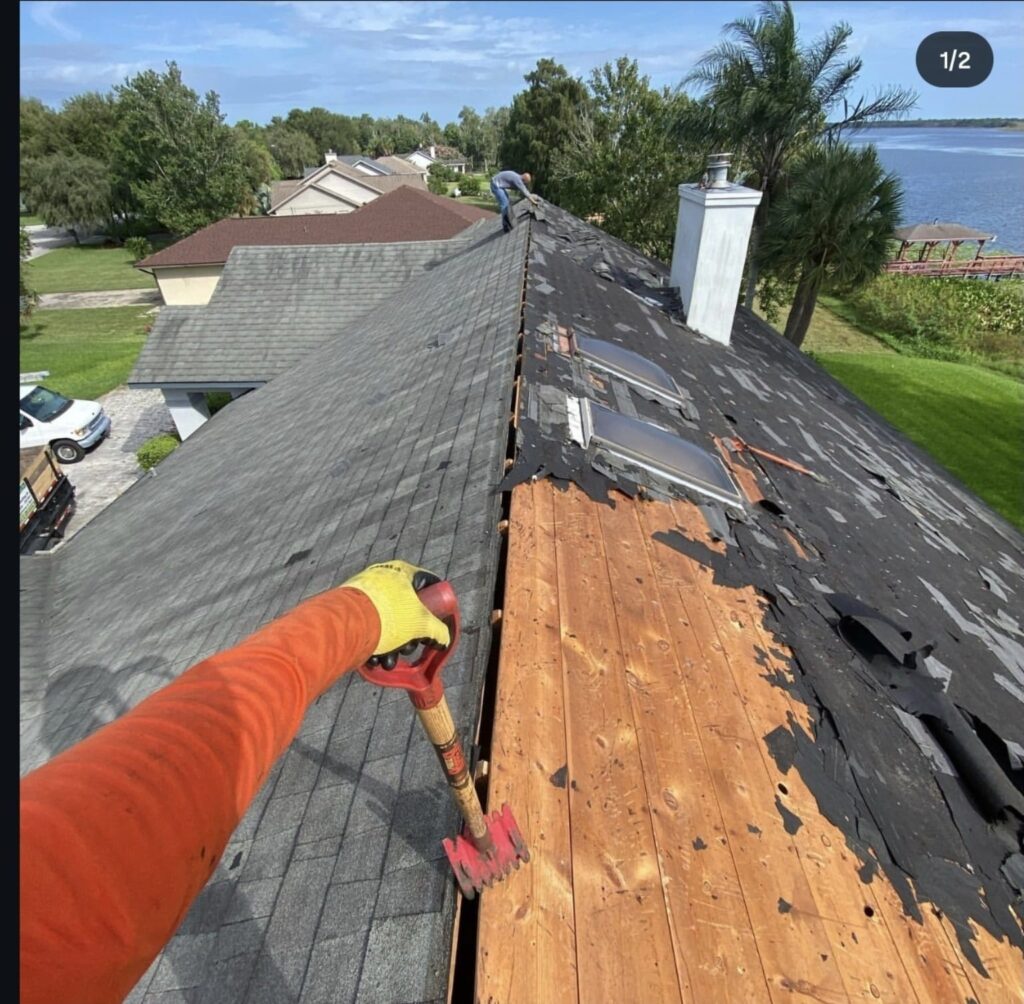
Learn the warning signs of a roof leak and how professional flashing, shingle, and roof repairs can protect your Central Florida property. Call Febres Roofing at 800-248-1759.
The Role of Underlayment and Ventilation in Quality Roof Installation
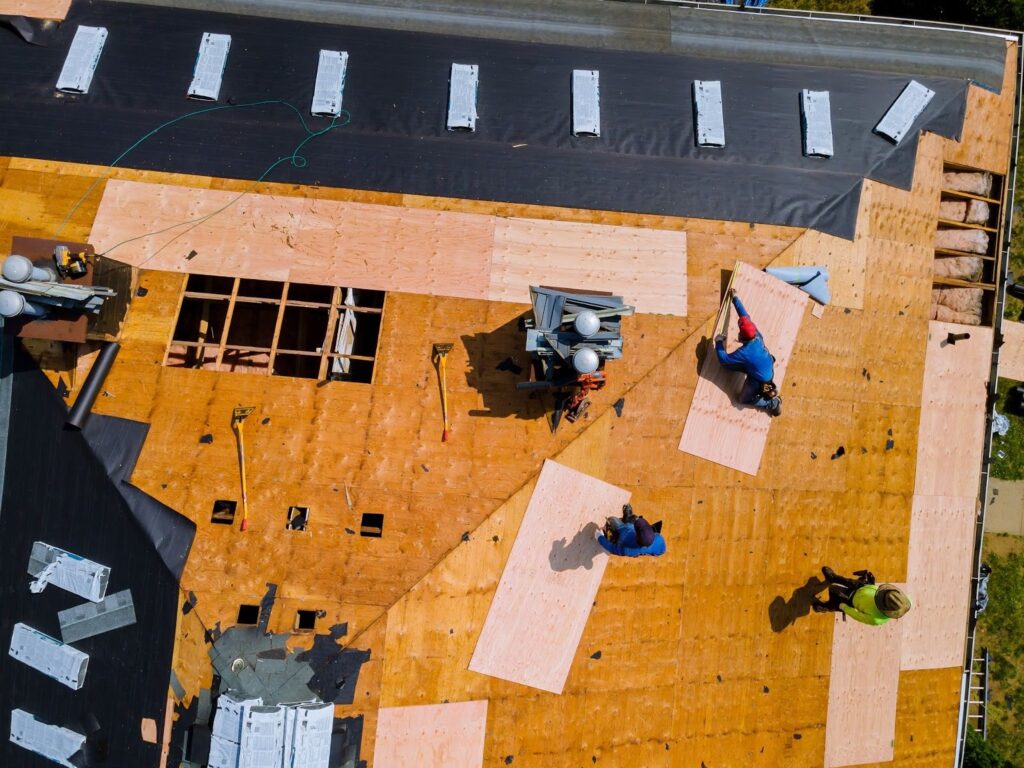
The Role of Underlayment and Ventilationin Quality Roof Installation Every high-quality roof installation starts with what lies beneath the shingles—specifically, the underlayment. This layer acts as a moisture barrier between the roofing material and the wooden decking. Without it, your roof becomes vulnerable to leaks, mold growth, and structural damage over time. Underlayment comes in several types, including felt and synthetic options, each with its own strengths. Choosing the right underlayment based on climate, roofing material, and budget is a critical first step. Roof Installation Relies on Proper Underlayment Choices Felt underlayment, also known as tar paper, has been a traditional choice in roof installation for decades. It provides a reliable water-resistant barrier but can tear more easily than modern synthetic materials. Synthetic underlayments, made from polypropylene or polyethylene, offer enhanced durability and resistance to UV rays. They’re also lighter, which makes them easier and faster to install without compromising performance. Selecting the right material affects not only the roof’s lifespan but also its ability to withstand severe weather. Added Protection Layers to Enhance Roof Installation Extra Barriers Are Essential in Harsh Weather In regions with heavy rainfall or ice dams, additional protective layers such as ice and water shields are added to the roofing system to prevent moisture penetration. Key Areas Need Added Protection These specialized membranes are installed in vulnerable zones like eaves, roof valleys, and around chimneys where water is most likely to collect or seep through. Self-Sealing Technology Reduces Leak Risks Ice and water shields self-seal around nail punctures, helping maintain a watertight barrier even after shingles are installed. Strategic Layering Prevents Interior Damage By layering materials properly, roofers protect insulation, drywall, and structural components from costly water damage. Proper Planning Saves Money Long-Term Thoughtful use of protective layers during roof installation boosts durability, reduces repairs, and delivers significant long-term cost savings. Roof Installation Is Strengthened Through Adequate Ventilation Ventilation is often overlooked during roof installation, but it plays a key role in overall roof health. A properly ventilated roof allows warm, moist air to escape from the attic, reducing the risk of condensation and mold growth. Without it, heat can build up in the attic and prematurely age roofing materials. In colder climates, poor ventilation can contribute to ice dams that lift shingles and create water entry points. Balanced airflow through intake and exhaust vents helps the entire system perform at its best. Balanced Ventilation Is Essential in Roof Installation There are two main components of a well-ventilated roofing system: intake and exhaust. Intake vents are usually placed along the soffits to let cool air into the attic, while exhaust vents—such as ridge vents or roof turbines—let hot air out. When balanced correctly, this airflow helps regulate attic temperatures and removes excess humidity. The result is a more energy-efficient home and a longer-lasting roof. A successful roof installation plan includes calculating and designing this ventilation system based on attic size and roof pitch. Roof Installation and Energy Efficiency Go Hand in Hand Ventilation not only improves roof durability but also impacts your home’s energy performance. Poor ventilation can lead to hot attics that increase cooling loads in summer months. By allowing hot air to escape, you reduce reliance on air conditioning and lower utility bills. During winter, it helps keep attic temperatures closer to the outside temperature, reducing the risk of ice dams. An energy-efficient roof installation considers these factors to maintain year-round comfort and cost savings. Regional Weather Patterns Influence Roof Installation Choices Local Climate Shapes Installation Methods Roof installation strategies vary based on regional weather conditions and building codes to ensure long-term performance and safety. Hot, Dry Areas Require UV Protection In warm climates, roofing systems must include underlayment materials that resist UV damage and reflect heat to prevent premature wear. Humid or Storm-Prone Regions Need Moisture Control In wetter areas, moisture resistance and proper ventilation become top priorities to prevent leaks, mold, and structural damage. Contractors Must Tailor Materials to Conditions Roofing professionals choose underlayment and ventilation solutions based on climate-specific challenges to improve durability. Custom Approaches Improve Year-Round Performance By adapting roof installation methods to local weather patterns, the roofing system remains reliable through seasonal changes. Roof Installation Requires Skilled Workmanship and Planning Even the best materials won’t perform properly without expert installation. Laying underlayment with precision—ensuring overlaps, edge sealing, and correct fastener spacing—is crucial for water resistance. Ventilation components must also be installed without blockages and aligned to allow continuous airflow. When roofing crews overlook these small details, it can lead to large-scale failures over time. A quality roof installation depends just as much on planning and craftsmanship as it does on product selection. Why Underlayment and Ventilation Matter in Roof Installation Inspections Homeowners often focus on visible elements like shingles or flashing, but inspections should also evaluate the hidden components. A post-installation review should confirm that underlayment is intact, layered correctly, and covers all vulnerable areas. Likewise, proper airflow should be tested to ensure no obstructions exist in the ventilation system. This verification step provides peace of mind and ensures the roof system is built to code. An overlooked inspection could allow a small error to turn into an expensive repair. Roof Installation Longevity Depends on These Core Systems Both underlayment and ventilation directly affect how long your roof will last. A compromised moisture barrier can allow water intrusion that weakens wooden decking or attic structures. Inadequate airflow can overheat shingles, warp insulation, and promote biological growth. Preventative systems like these are often invisible to the homeowner, yet they’re vital to the roof’s performance. Investing in high-quality materials and proper installation techniques pays dividends in durability and reduced maintenance. What Homeowners Should Consider Before Roof Installation For homeowners planning a new roof installation, it’s important to have an informed conversation with your contractor about both underlayment and ventilation. Ask about the types of materials being used and how your attic will be ventilated. Don’t hesitate to request ice and water shields if you live in an area with
How Long Does a Shingle Roof Last?
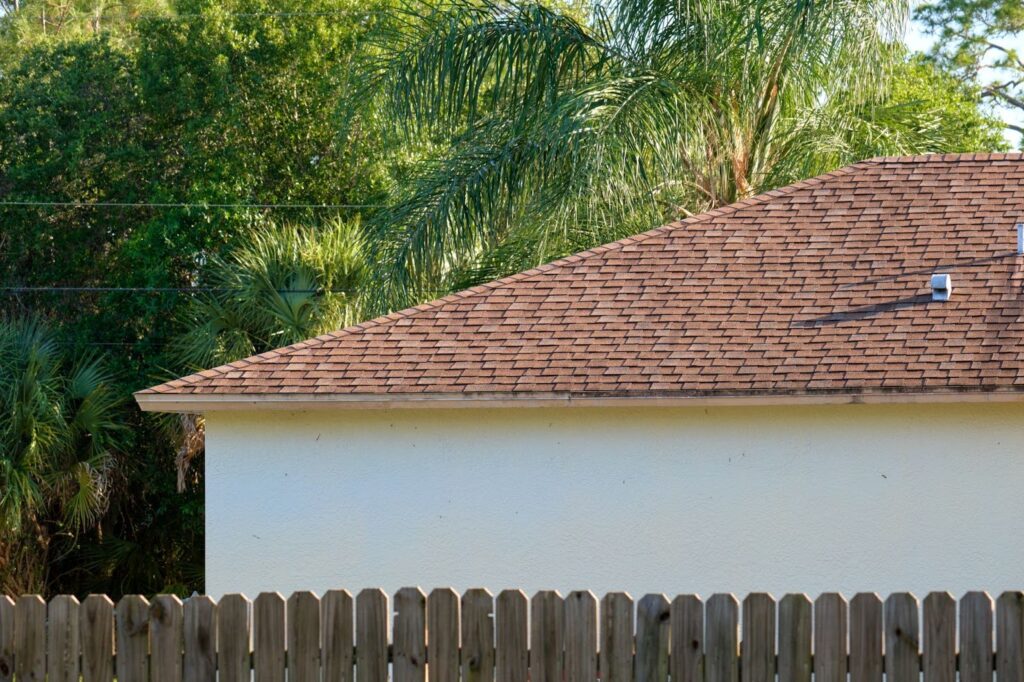
How Long Does a Shingle Roof Last? A roof isn’t just a part of your house; it’s the barrier that shields everything you’ve built and care about. When it starts to wear out, the comfort inside can slip away unnoticed until the damage is done. Homeowners want to avoid surprises, especially when it comes to repairs that cost thousands. Knowing how long a shingle roof lasts helps you plan, not panic. How Long Does a Shingle Roof Last on Average? Shingle roofs remain one of the most practical roofing choices across the U.S. They’re widely available, budget-friendly, and easy to install. But not all shingles last the same amount of time. Your roof’s lifespan depends on the type of shingles you choose, how they’re installed, and what they endure. Standard Asphalt Shingles Standard asphalt shingles, commonly referred to as 3-tab shingles, typically last 15 to 20 years. They’re made from a fiberglass base with asphalt and granules. These shingles are the most affordable but also the least durable. They can wear out more quickly in areas with high heat or heavy rainfall. Maintenance can add a few years, but not much more. Thus, regular inspections matter when dealing with these basic materials. Architectural Shingles Architectural shingles are a more substantial upgrade from 3-tab shingles. They typically last 25 to 30 years under normal conditions. These shingles are thicker, wind-resistant, and designed to mimic slate or wood. Many homeowners prefer them for their layered look and more extended warranty. They hold up better in storms and resist curling or cracking over time. Premium or Designer Shingles Premium shingles can last 35 to 40 years or more. They are often made to resemble cedar or slate while offering better resistance to wind and moisture. They’re heavier and more durable, which helps in harsh weather regions. However, they’re more expensive upfront, but often worth the cost if you plan to stay in the same home for decades. What Affects a Shingle Roof’s Lifespan? Several factors influence the lifespan of your shingle roof. It’s not just about the material but also the conditions it’s exposed to. Every element matters, from storms to sun exposure to the quality of installation. A roof’s performance depends on more than just what’s visible on the surface. Harsh Climate and Weather Exposure Weather extremes are a leading cause of roofs failing sooner than expected. Strong winds can lift shingles, allowing water to seep underneath. Prolonged sun exposure dries out asphalt, making it brittle. Heavy snow loads stress the roof structure, especially if ice dams form. Hail can bruise and crack the shingles, reducing their waterproof ability. Homes in storm-prone regions see faster roof aging. Roof Pitch and Drainage Efficiency The slope of your roof significantly influences its lifespan. Steep roofs shed water and debris more effectively, which helps reduce wear and tear. Shallow roofs retain water longer, leading to rot and algae growth. Poor drainage also increases the risk of leaks. A well-angled roof not only looks better but also performs better over time. Poor Ventilation and Trapped Moisture Without proper ventilation, heat and moisture build up inside your attic. That causes shingles to overheat and dry out from below, leading to mold, wood rot, and structural weakening. A balanced airflow keeps your roof cooler in summer and drier in winter. Roofs with inadequate ventilation often fail years earlier than expected. Installation Quality and Contractor Skill A roof is only as good as the crew installing it. Improper installation, skipped steps, or the use of cheap materials can lead to premature failure. Common issues include exposed nails, misaligned shingles, or skipped underlayment. These flaws often lead to leaks or blow-offs during storms. Hiring a certified and reputable roofer can significantly impact the lifespan of your roof. How Maintenance Extends Your Roof’s Lifespan Even the best shingles wear out more quickly without proper care. Routine maintenance can add several years to your roof’s life. Cleaning, inspecting, and addressing minor issues promptly can prevent larger problems from developing unnoticed. Schedule Annual Roof Inspections Professional roof inspections should happen at least once a year. Technicians check for soft spots, missing shingles, and loose flashing. They also assess the attic for leaks, stains, or ventilation issues. Catching trouble early can save thousands in repair costs. Homeowners can also perform basic checks after major storms. Keep Gutters and Roof Clear of Debris Leaves, pine needles, and dirt can trap moisture on your shingles, leading to moss growth and deterioration of the shingles. Clogged gutters can also cause water to back up under the shingles. Cleaning them regularly improves drainage and reduces ice damming in winter. Additionally, trim overhanging branches to prevent leaves from accumulating. Address Small Repairs Immediately Loose shingles or small leaks don’t fix themselves. Ignoring them invites water damage, mold, and even structural problems. Replacing a few shingles is cheaper than replacing plywood and insulation. Minor flashing issues around vents or chimneys are easy to correct. Act promptly to prevent problems from escalating. Control Algae, Mold, and Moss Growth Dark streaks on roofs often indicate the presence of algae or moss. These organisms feed on moisture, weakening the shingles. Over time, they can cause curling or granule loss. Use safe roof treatments to kill growth and prevent regrowth. Avoid pressure washing, as it can cause more harm than good. When is it Time to Replace a Shingle Roof? Roofs wear out gradually, but signs become clearer with time. Waiting too long can lead to interior damage and increased costs. Knowing when to replace your roof helps you budget and protect your home’s structure. It also prevents emergency repairs that cost more than planned upgrades. When Shingles Start Failing Cracked, curled, or missing shingles signal that your roof is losing its defense. These issues allow moisture and wind to breach the surface. Granule loss, visible in gutters or downspouts, means the shingles are deteriorating. Water stains, peeling paint, or sagging ceilings inside the home reveal hidden leaks. A roof with patchy color
How Roofing Contractors Ensure Quality and Safety on Every Job
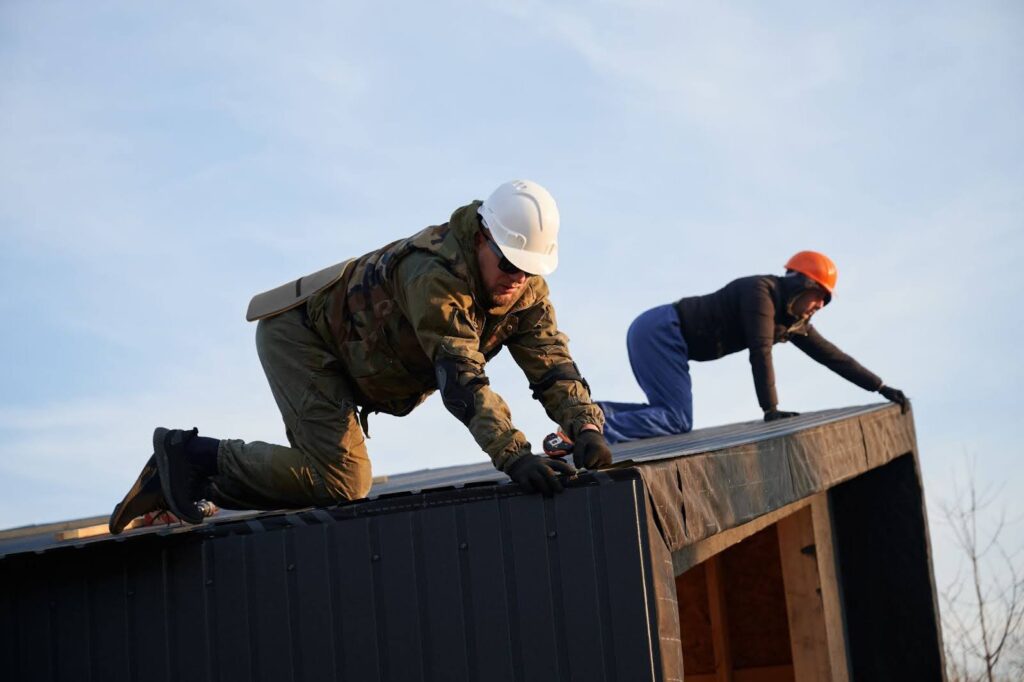
How Roofing Contractors Ensure Qualityand Safety on Every Job Homeowners don’t think much about their roofs until something goes wrong. One leak, one weak spot, or one bad storm can turn a calm afternoon into an expensive headache. A solid roof isn’t just about keeping water out; it’s also about keeping the elements out. It protects everything and everyone beneath it. That’s why the people you hire to install or repair your roof matter more than you think. Why Choosing the Right Roofing Contractors Matters A bad roof costs more than you think. It affects resale value, safety, energy use, and peace of mind. Reliable roofing contractors aren’t cheap, but they deliver work that lasts, protects, and adds value to your property over time. Avoids Risky Mistakes and Costly Repairs Hiring the wrong crew quickly leads to problems. Poor sealing, misaligned shingles, and subpar ventilation can shorten your roof’s lifespan. Roof leaks can ruin drywall and wiring within weeks. Correcting bad work costs far more than doing it right the first time. Choosing a reputable contractor saves stress and money in the long term. Boosts Property Value and Curb Appeal A roof isn’t just a necessity; it’s a selling point. Homes with clean, modern roofs sell faster and for more. Roofing contractors who do clean installs with sharp lines and proper ventilation help your home stand out. Real estate agents often highlight the condition of the roof in listings. Quality roofing adds genuine value that buyers will notice. Reduces Energy Costs and Indoor Issues A well-installed roof improves more than it looks. It supports proper insulation, limits moisture buildup, and controls attic airflow. These factors reduce heating and cooling bills. Additionally, you avoid mold, mildew, and uncomfortable drafts. Roofing contractors who follow best practices improve home comfort for years to come. How Roofing Contractors Deliver Safe, Quality Work A solid roof doesn’t come from shortcuts or guesswork. It takes experience, planning, and strict attention to detail. Roofing contractors who know what they’re doing follow proven steps every time. The difference is evident in the results and the problems you avoid. Roofing Contractors Prepare Before Work Begins No two roofs are the same, and no quality job starts without preparation. Professional roofing contractors invest time upfront to understand the site, identify risks, and build a realistic work plan. Planning isn’t optional, as it sets the stage for a project’s success. Preparation prevents chaos, miscommunication, and delays once tools hit the roof. Site Assessment and Project Scope Experienced contractors don’t just glance at your roof; they study it. They look for soft spots, structural wear, drainage, and access challenges. These details affect everything from pricing to the materials selected. Contractors also examine surrounding areas to protect siding, landscaping, and driveways. A well-defined scope of work helps avoid surprises halfway through the job. Choosing Reliable Roofing Materials Not all shingles or underlayments are created equal. Roofing contractors work with trusted suppliers who meet regional building codes. They recommend materials based on local climate, roof pitch, and expected lifespan. Cheap options may seem attractive initially, but they often fail under pressure. A reliable contractor helps you balance durability and cost without compromising safety. Pulling Permits and Reviewing Codes Roofing work isn’t just physical; it’s legal, too. Professionals make sure all permits are secured before the first nail is driven. They review local ordinances and zoning codes to avoid fines or delays. Some neighborhoods require homeowner association approval. Roofing contractors handle this paperwork to keep your project moving smoothly. Dealing With Unexpected Structural Issues Unexpected damage under the shingles is more common than most homeowners realize. Once the old roof is removed, contractors may uncover rotted decking, cracked rafters, or damage caused by pests. These problems can’t be ignored or patched. Skilled contractors stop work, document the issue, and explain the solution before proceeding. Their ability to adapt quickly prevents unsafe roof installations and long-term risks. Clear communication at this stage proves the contractor’s integrity and experience. Roofing Contractors Follow Strict Safety Protocols Roofing is dangerous. Working at heights with tools, debris, and sharp materials creates risk. Reliable contractors never gamble with safety. Instead, they enforce daily rules, train their crew, and protect every person on-site. Use of Safety Equipment and Fall Protection Crews suit up with the right gear from day one. Helmets, boots, gloves, and reflective vests are standard. On steep roofs, they anchor fall-arrest systems and use toe boards. Safety isn’t just for show; contractors inspect gear before every shift. This equipment prevents injuries and keeps insurance costs from ballooning. Site Cleanliness and Hazard Control Jobsite messes aren’t just annoying; they’re dangerous. Roofing contractors set up controlled zones to separate workers, equipment, and debris. They use tarps, bins, and magnet rollers to catch nails and tools. Proper disposal of old shingles prevents slips and accidents. Clean sites protect both crews and homeowners during the entire project. Ongoing Safety Training and Crew Certification Good contractors don’t assume their team knows everything. They invest in continuing education on ladder use, electrical awareness, and material handling. Many crews hold OSHA certifications or attend manufacturer-led safety programs. This training reduces downtime from injury. It also proves that your contractor takes your home and their team seriously. They Plan for Safe Access and Equipment Setup Before work begins, contractors map out where tools, materials, and equipment will go. They choose paths that won’t damage your driveway or landscaping. Crews set up ladders and scaffolding on stable ground, not shortcuts. Bin placement, truck access, and delivery timing all get pre-arranged. These steps improve safety and ensure the work moves without delays. Well-planned access keeps the project clean and controlled. Quality Control is a Priority Putting up shingles isn’t enough. Great roofing contractors follow processes that confirm everything is secure, aligned, and finished to last. Quality control is constant, from prep to final inspection, because missed details cost time and money later. Hands-On Supervision Throughout the Job Every job needs a leader, not just a worker. Foremen or
Custom vs. Standard Types of Gutters: What’s the Difference?
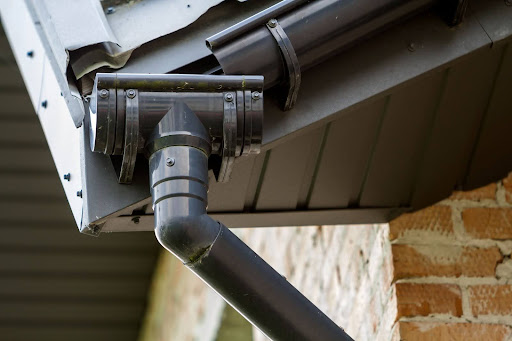
Custom vs. Standard Types of Gutters:What’s the Difference? A gutter system might not be the most glamorous feature of a building, but it carries a heavy load. It directs water away from your roof, walls, and foundation, helping to protect your structure from costly damage. Choosing between custom and standard types of gutters directly affects performance, durability, and value, not just style. With more homeowners and property managers seeking tailored solutions, this decision has become more than just a matter of price. It’s a choice that reflects your understanding of your property’s needs. Common Types of Gutters and Their Uses Before deciding on custom or standard gutters, it’s essential to understand the primary options available. Gutters come in various shapes and materials, each offering a unique blend of cost, durability, and appearance. While standard options are widely used and easily accessible, they may not always be the perfect match for every home or building. Recognizing the most common types can help you determine whether a standard setup will work or if customization is a better option. K-Style Gutters K-style gutters are the most common choice for residential roofing. They have a flat back and a front that mimics crown molding, making them a stylish yet functional option. These gutters are often made from aluminum, but you can also find them in vinyl or galvanized steel. Their flat shape allows them to hold more water than rounded styles, which is helpful during heavy rain. However, they are also prone to collecting debris in their corners, which means more frequent cleaning. Half-Round Gutters Half-round gutters are exactly what they sound like: a smooth, curved channel shaped like a tube cut in half. They’re commonly seen on older or historical homes and complement rounded rooflines beautifully. These gutters are often made from copper or aluminum and are easier to clean because debris doesn’t get trapped as easily. However, they carry less water compared to K-style gutters and may require more downspouts. That makes them a better fit for homes in areas with moderate rainfall. How Custom Types of Gutters Offer Better Precision Custom gutters are designed with the specific needs of a property in mind. While standard types work well for many homes, some situations call for something more precise. Custom options often offer a higher level of protection and a more refined finish. They’re tailored to fit perfectly, which enhances both performance and appearance. Custom Sizing and Fit One of the most significant advantages of custom gutters is the perfect fit. Every corner, slope, and edge of the roof is measured for a seamless installation. It reduces the number of joints and potential leak points. It also minimizes clogs and sagging since water flows more freely through a properly aligned system. Whether you’re installing on a new build or replacing a worn system, custom sizing ensures it works as well as it looks. Material and Design Flexibility Custom gutters offer greater flexibility in terms of materials and design. While standard types are often limited to a few sizes and colors, custom systems can be built from premium metals, such as copper or zinc. They also allow for specific shapes or profiles to match unique architectural styles. This flexibility is advantageous in commercial roofing projects where both performance and aesthetics are essential. Additionally, selecting higher-quality materials can result in longer lifespans and fewer repairs. Comparing Costs for All Types of Gutters Cost plays a significant role in any gutter decision, but focusing only on upfront pricing can be shortsighted. Standard options are typically less expensive to purchase and install, making them a more attractive choice for those with tight budgets. However, custom gutters may deliver better long-term value. The key is striking a balance between your short-term spending and long-term needs. Standard Gutter Pricing Standard gutters are pre-cut, mass-produced, and widely available. That makes them more affordable and easier to install, especially for basic homes. Labor costs are also lower since installers can work quickly using off-the-shelf materials. That said, the seams and joints in these systems can become weak spots over time. Frequent repairs or full replacements might offset the initial savings. Custom Gutter Pricing Custom gutters typically come with a higher price tag, primarily due to the costs of fabrication and installation. Each system is built to order, which requires more time and specialized labor. The materials used are often thicker or more durable, such as coated steel or architectural copper. While you pay more upfront, you may save in the long run through fewer repairs and better performance. Especially in climates with extreme weather, that investment can pay off quickly. Installing and Maintaining All Types of Gutters Installation quality has a direct impact on the effectiveness of gutters over time. Poorly installed systems can cause water to pool, leak, or overflow, potentially damaging the home. The maintenance needs also vary based on the type and style of the gutter. Knowing what each option requires can help you make a more informed choice from the start. Installing Standard Gutters Standard gutters are easy to install and typically don’t require specialized tools. Many roofing contractors are familiar with them, which reduces labor time and costs. However, they often come in sections, which means more seams and a higher chance of leaks. Over time, these joints can separate or corrode. While repairs are simple, they may be more frequent than you’d like. Installing Custom Gutters Custom gutters take longer to install because of their precise fit. Many are made on-site using machines that form continuous lengths, often referred to as seamless gutters. That reduces weak points and creates a sleeker appearance. Professionals with experience in custom systems must handle installation. While more labor-intensive, the outcome is often cleaner and more durable. Lifespan and Performance of All Types of Gutters Durability matters when gutters face storms, snow, heat, and debris year after year. Standard and custom gutters each have a lifespan, but the difference lies in material strength and installation quality. Choosing the
When to Repair vs. Replace a Roof Shingle
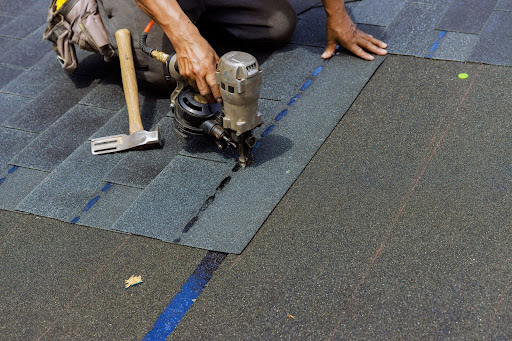
When to Repair vs. Replace a Roof Shingle Every homeowner faces it at some point. That uneasy moment staring at a damaged roof shingle. The decision nags at you: patch it up or invest in a complete replacement? Costs, risks, and timelines compete in your head, but the honest answer depends on more than surface damage. Knowing the difference between temporary wear and serious compromise is key. Making the right call early can save you from a bigger bill down the line. Signs Your Roof Shingles Needs Attention Roof shingles go through a lot. They stand up to heat, rain, wind, and snow year after year. Over time, that exposure leaves clues about their condition. Recognizing these early signs can help you take action before minor damage develops into serious trouble. Curling or Buckling Shingles Shingles begin to curl or buckle when they lose their seal or start to dry out. It typically occurs with age or inadequate ventilation in the attic. Curled edges lift away from the roof, exposing the material underneath. That makes it easier for water to creep in. If the curling is limited to a few shingles, repairs may still be an option. Missing Roof Shingles High winds, old age, or poor installation can all cause shingles to become loose or missing. A single gap may not seem urgent, but it weakens your roof’s protection. Rain and debris can quickly exploit the opening and damage the underlayment. If more than one area is exposed, the problem might run deeper. Multiple missing shingles in different spots often signal the need for replacement. Shingle Granule Loss Granules act like sunscreen for your roof. They protect against UV rays and help the shingles last longer. You might spot granules in your gutters or at the base of downspouts. While some shedding is normal, widespread granule loss leaves shingles exposed and brittle. If several areas are affected, replacing shingles becomes the more sensible option. When to Repair a Roof Shingle Sometimes, roof problems look worse than they are. In these cases, repairs offer a cost-effective and practical solution. The key lies in identifying the issue early and limiting the damage to a localized area. Damage is Isolated If only a small section is affected, a simple repair may be sufficient. Wind damage, a falling branch, or a single broken shingle can be addressed without touching the rest of the roof. Roof contractors can lift and replace just the compromised pieces. It keeps the cost low and avoids unnecessary work. Just make sure the surrounding shingles are still solid. Roof is Relatively New A roof under ten years old usually still has plenty of life left. If the materials are still under warranty, that adds extra value to a repair. Newer roofs are less likely to have deep structural damage. As long as the problem hasn’t spread, repair work can restore the surface quickly. You can also match new shingles more easily while the roof is still young. You’re Preparing to Sell Soon If you’re planning to sell within a year or two, repairs can keep things tidy without overspending. Buyers look for clean lines and no visible damage. Replacing a few shingles improves curb appeal and reassures potential buyers. It’s a smart move when the rest of the roof is still in good condition. Larger investments, such as complete replacement, may not raise the sale price enough to justify the cost. When to Replace a Roof Shingle or Several Repairs won’t always cut it. Some damage signals deeper problems or indicates that the roof is beyond its prime. Replacement becomes the better long-term option when surface issues point to hidden risks. Ignoring these signs can lead to structural decay and higher repair costs later. Widespread Damage or Patterned Wear Seeing similar damage across many areas suggests the roof is aging as a whole. When multiple sections buckle, curl, or shed granules, it means the material is breaking down. Fixing one spot won’t stop the rest from failing soon. Additionally, repeatedly patching an old surface weakens its integrity. Replacing shingles across larger areas provides lasting protection. Roof Age Exceeds 15–20 Years Most asphalt shingle roofs last between 15 and 25 years. Once your roof reaches that range, it’s more prone to problems. Repairs become frequent and less effective over time. The shingles might still look fine, but their core strength declines. Complete replacement avoids the cycle of constant touch-ups Moisture and Interior Leaks Leaks in the ceiling or attic mean the damage has already reached inside—water stains, mold, or softwood signal that the barrier is broken. Repairing the outer shingles won’t address the issue below. When moisture breaches the structure, a more comprehensive solution is required. Replacing the damaged shingles and possibly the underlayment restores your home’s defense against the elements. Cost Comparison: Roof Shingle Repair vs. Replacement Money always factors into the decision. Repairs seem cheaper at first glance, but it’s the long-term outcome that counts. Comparing costs means weighing upfront savings against future risks. A short-term fix may offer relief now, but it can ultimately prove more costly if the damage worsens. Factors That Influence Repair Costs Repair prices vary based on labor, materials, roof pitch, and access. A single shingle might cost little, but complex repairs add up fast. You may also need flashing, sealant, or underlayment replacement. Hiring a pro also comes with service fees and site prep. What appears to be a simple fix can quickly escalate if the damage is underestimated. Long-Term Value of Replacing Roof Shingles Replacement costs more upfront but is spread out over the years of use. New shingles come with stronger warranties and better performance. They also improve energy efficiency by reflecting more sunlight. Over time, a new roof may reduce heating and cooling bills. For homeowners planning to stay in their homes, replacement pays off. How Climate Affects Roof Shingle Decisions Roof shingles don’t wear out at the same rate in every zip code. Your climate plays a significant
The Most Common Causes Behind Frequent Roofing Repairs
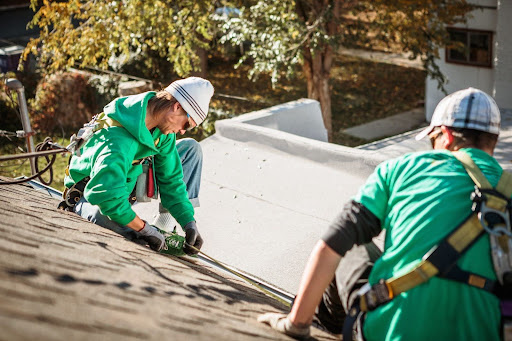
The Most Common CausesBehind Frequent Roofing Repairs Roof trouble has a way of showing up at the worst time. A small leak turns into a water-stained ceiling, and before you know it, you’re calling for another repair. For both homeowners and business owners, it’s frustrating to encounter the same problems repeatedly. The cost adds up, but so does the stress of not knowing what’s going wrong. Something keeps damaging your roof, and until you find the cause, the repairs will keep coming. Getting to the root of these repeated roofing repairs is the only way to stop the cycle. Why Roofing Repairs Are Necessary Roofing repairs are necessary because even minor damage can escalate into serious structural problems if left unaddressed. A small crack or leak can lead to rotting wood, mold growth, stained ceilings, and weakened insulation, all of which compromise the safety and stability of a home or business. Addressing these issues early not only protects the building but also preserves its value and avoids emergency repairs that cost far more in the long run. Regular maintenance and timely repairs extend the roof’s lifespan, improve energy efficiency, and help prevent sudden failures during harsh weather conditions. Whether it’s a residential property or a commercial space, maintaining a solid roof means fewer disruptions, lower utility bills, and lasting peace of mind. What Commonly Triggers Roofing Repairs Roof problems rarely happen without a cause. Most repairs start with everyday issues that go unnoticed or unchecked. These triggers affect both residential and commercial roofs alike. Understanding them is the first step to avoiding repeat damage. Poor Installation Even the most expensive materials can’t hold up if the roof is poorly installed. This is one of the primary reasons why both residential and commercial roofs frequently encounter ongoing problems. A rushed or unskilled installation creates weak points that fail faster over time. Investing in proper installation upfront prevents many of the most frustrating roofing repairs. Subpar Workmanship Leads to Weak Roof Structures Poor craftsmanship often causes hidden structural weaknesses. Roofing contractors who skip steps or rush through the job leave gaps behind. These flaws become apparent months later when shingles curl or water starts to seep in. In many cases, the damage spreads before it’s even noticed. Choosing licensed professionals with roofing experience helps avoid these common mistakes. Quality installation means fewer repairs over the roof’s lifespan. Wrong Materials for the Roof Type or Climate Roofing materials must match the building type and the local weather conditions. For example, using lightweight shingles in a storm-prone area leads to quick damage. Some commercial roofs need specialized membranes that resist pooling water. Residential roofs may require underlayments that adapt to temperature shifts. Incompatible or low-quality materials tend to wear out more quickly and require more frequent repairs. Choosing the right material for your climate is critical. Weather Damage Mother Nature doesn’t play favorites with roofs. Both homes and businesses suffer when storms hit hard. Rain, hail, and wind cause different kinds of damage, but they all lead to the same result: frequent roofing repairs. Regular inspections after major weather events help catch problems early. Heavy Rain and Standing Water Rainfall wears down roofing surfaces, especially when water doesn’t drain well. Flat commercial roofs are especially vulnerable to pooling, which seeps into seams and underlayers. Standing water soaks insulation and weakens the structure below. Over time, this leads to rot and mold inside the building. Homes with blocked gutters often face the same issue along the roof edges. Drainage maintenance helps reduce repair costs in both residential and commercial settings. Wind Uplift and Flying Debris Strong winds often rip off shingles or damage metal panels. Wind uplift targets roof corners and edges, where materials are most exposed. Flying debris, such as branches or trash, can puncture or crack surfaces. This type of damage typically requires immediate repair to prevent leaks from occurring. Commercial buildings with larger roof spans are particularly at risk. Reinforced fasteners and regular checks can reduce wind-related roofing repairs. Hailstorms and Temperature Swings Hail impacts crack shingles, breaks tiles, and dents metal roofing. These strikes may not cause immediate leaks, but they can reduce the roof’s durability. Granules fall off asphalt shingles, exposing the material underneath. When temperatures fluctuate rapidly, surfaces expand and contract, which can exacerbate any existing cracks. Both homes and commercial structures experience accelerated material fatigue due to these changes. Routine inspections after storms help prevent damage from escalating. Neglected Maintenance A roof won’t stay in good shape without attention. Roofs require routine maintenance to remain in good condition. When minor issues are left unchecked, they can lead to significant expenses. Simple upkeep often prevents the need for frequent roofing repairs. Clogged Gutters and Downspouts Gutters full of debris keep water from flowing away. Overflowing gutters saturate roof edges and rot fascia boards. That moisture can leak into walls and ceilings below. In commercial buildings, blocked internal drains can create similar issues. Regular cleaning keeps water moving where it should. It’s one of the easiest ways to avoid expensive repairs. Moss, Algae, and Organic Growth Moss traps moisture and breaks down roofing materials over time. Its roots penetrate shingles, causing them to lift or crack. Algae stains may seem cosmetic, but they absorb heat and weaken the roof. On flat roofs, organic buildup creates a slick, unsafe surface. Roofs benefit from routine cleaning and moss treatment. Zinc strips and copper can also prevent future growth. Skipping Annual Inspections A small, unnoticed crack can lead to interior damage over time. Many people only check their roofs when they spot a leak. Unfortunately, that’s often too late. Professional inspections catch early warning signs, such as missing shingles or worn flashing. These visits can extend the roof’s life and reduce emergency repair costs. Both homes and businesses benefit from scheduled checkups. Poor Ventilation Ventilation affects the roof’s health more than comfort. Poor airflow can damage roofing materials from the inside out—heat, moisture, and mold build up when air can’t circulate. Fixing
Why Roof Tile Is a Great Investment for Your Home’s Curb Appeal
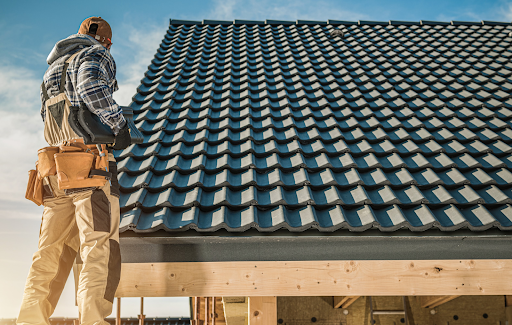
Why Roof Tile Is a Great Investment for Your Home's Curb Appeal Overhead view of residential roofing. First impressions matter. Regarding your home, curb appeal isn’t just about maintaining appearances—it plays a significant role in your home’s value, energy efficiency, and even neighborhood prestige. While landscaping, siding, and windows often steal the spotlight in discussions about curb appeal, one element silently dominates every glance: the roof. More specifically, roof tile has become one of the most attractive, enduring, and value-enhancing roofing options for homeowners who want to elevate the look of their property. But roof tile isn’t just about appearances—it also offers significant structural, environmental, and economic benefits that make it a long-term investment. In this blog, we’ll explore why roof tile is an excellent investment for your home’s curb appeal, from its stunning aesthetic versatility to its unmatched durability and value return. The Visual Impact of Roof Tile Roofs are one of the most visible and impactful elements of a home’s exterior, and a well-designed residential roof can define architectural character while instantly communicating quality and permanence. Roof tile allows homeowners to make a bold design statement that sets their property apart, offering a wide range of options to suit nearly any architectural style, from Mediterranean to modern minimalist. Available in materials like clay, concrete, slate, and high-quality synthetics, roof tiles also feature diverse textures that add depth and visual interest beyond what flat shingles can achieve. The impressive variety of colors and finishes, including traditional terracotta, elegant greys, vibrant blues, and nature-inspired greens, further enhances the aesthetic appeal. Homeowners can easily coordinate or contrast these colors with exterior walls, landscaping, or neighborhood design themes to create a cohesive or standout look. Many roof tile colors are baked in rather than surface-coated, making them resistant to fading and helping your home retain its visual appeal for decades. Roof Tiles Offer Long-Term Beauty That Lasts Roof tile offers superior resistance to the elements compared to asphalt shingles or wood shakes, making it an excellent long-term choice for homeowners. It holds up remarkably well against harsh UV rays, snow, hail, and even salty coastal air, maintaining its appearance for decades. Unlike other materials, its surface doesn’t blister, peel, or fade, which means your roof will look great year after year. Thanks to its sturdy composition, roof tile requires very little maintenance to preserve its curb appeal. Occasional inspections and simple cleanings are usually needed to keep it in shape. With no need for frequent re-coating, patching, or repair, roof tile delivers timeless charm with minimal effort. Enhancing Property Value With Roof Tiles Curb appeal directly impacts how much buyers are willing to pay for a home, with studies consistently showing that properties with strong visual appeal sell faster and for higher prices. Roof tile contributes significantly to this perception of quality and permanence, often boosting resale value. While it may require a higher upfront investment than asphalt shingles, roof tile offers a strong return through its exceptional longevity and minimal maintenance needs. Many tile roofs last 50 to 100 years, frequently outliving the homes they protect. This durability reduces long-term ownership costs and appeals to buyers looking for lasting value. As a result, roof tile becomes a wise financial and aesthetic investment for homeowners aiming to increase both curb appeal and property value. Eco-Friendly Advantages of Roof Tiles Roof tiles offer more than just visual appeal—they’re also an environmentally conscious roofing choice. Made from natural materials like clay and concrete, they have a smaller environmental footprint than synthetic alternatives. Their long lifespan and energy-efficient properties make them a smart option for eco-minded homeowners. Sustainability in Construction Homeowners conscious of their environmental footprint will appreciate that many roof tile materials—especially clay and concrete—are made from natural, abundant resources. They’re recyclable, non-toxic, and produce minimal waste during manufacturing and installation. Energy Efficiency Tile roofs create a natural thermal barrier. Because of their heavy mass and design, which allows air circulation beneath the tiles, they help regulate indoor temperatures. That means lower heating and cooling costs—another win for curb appeal and your wallet. Solar Compatibility Are you thinking about adding solar panels? Roof tile integrates exceptionally well with modern solar systems. Many solar installers are experienced with tile roofs and can fit them seamlessly without disrupting the aesthetic. Combining eco-conscious energy solutions with the visual appeal of tile can further enhance your home’s profile in the neighborhood and on the market. A home with roof tiles Durability of Roof Tiles That Outlasts the Rest Roof tile has proven resilient across all climates, whether in hurricane-prone coastal regions, wildfire-risk zones, or snow-heavy mountain towns. It’s naturally resistant to fire and wind (when properly installed) and can withstand the weight of snow and ice without issue. This strength contributes to its impressive longevity, with many roof tile installations lasting over 50 years and some enduring well beyond a century. Traditional asphalt shingles typically need replacement every 15 to 30 years. Choosing roof tile means making a once-in-a-lifetime investment that minimizes future roofing concerns. With its unmatched durability and lifespan, roof tile offers peace of mind and long-term protection like no other roofing material. Architectural Versatility of Roof Tiles Roof tiles offer remarkable architectural versatility, making them suitable for many home styles—from traditional to contemporary designs. Their variety in shapes, colors, and finishes allows homeowners to customize their roofs to complement their exterior aesthetic perfectly. Whether aiming for a timeless look or a bold, modern statement, roof tiles provide the flexibility to bring your vision to life. Perfect for Historic and Modern Homes Roof tile isn’t limited to Spanish-style or Mediterranean homes; it’s now commonly used across various architectural styles, including Craftsman, Colonial Revival, Modern Farmhouse, Contemporary, and French Country. Thanks to ongoing innovation, manufacturers offer designs that mimic the look of wood shakes, slate, and even metal while maintaining the durability and timeless appeal that make roof tile such a valuable choice. Customization Options Many manufacturers allow homeowners to choose custom shapes, finishes, and colors
Five Signs You Need Roof Repairs
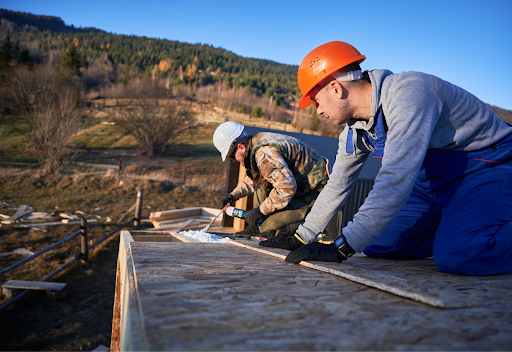
Five Signs You Need Roof Repairs Two construction workers are making roof repairs. Your roof is one of the most crucial components of your home, providing protection against harsh weather conditions and maintaining the structural integrity of your house. However, over time, exposure to the elements can cause damage that, if left unaddressed, can lead to costly repairs or even full roof replacement. Identifying early warning signs of roof issues can save you money, prevent further damage, and ensure your home remains safe. Here are five signs that indicate you may need roof repairs: 1. Missing or Damaged Shingles One of the most visible signs that your roof requires repairs is missing or damaged shingles. Shingles act as a protective barrier for your roof, and when they become loose, cracked, or entirely fall off, it exposes your home to potential leaks and further damage. Causes of Shingle Damage Over time, various factors can contribute to the deterioration of your roof’s shingles. From natural wear and tear to severe weather conditions, understanding these causes can help you take proactive measures to prevent significant damage. Below are some of the most common reasons shingles may become damaged or fall off: Weather Conditions High winds, heavy rain, hail, and snow can weaken shingles over time. Storms can cause shingles to become loose or completely tear off, leaving your roof vulnerable. Prolonged exposure to harsh weather can also cause the adhesive that holds shingles in place to deteriorate, making them more susceptible to displacement. Seasonal temperature fluctuations can further exacerbate the issue, causing expansion and contraction that weakens shingle integrity. Aging Roof Roofs naturally deteriorate with age, making shingles more brittle and susceptible to cracking. As roofs age, their protective layers break down, leading to a loss of flexibility and an increased likelihood of shingle damage. Over time, exposure to the sun’s UV rays accelerates the degradation of roofing materials, causing them to weaken and become more fragile. Older roofs are also more prone to leaks, further compromising their ability to protect your home. Poor Installation If the roof is not installed correctly, shingles may come loose sooner than expected. Improperly nailed or loosely placed shingles are more prone to being lifted by strong winds. Additionally, low-quality materials used during installation may fail to provide the necessary durability, reducing the roof’s overall lifespan. Roofing systems installed without proper ventilation may also contribute to premature wear and tear on shingles. Consequences of Ignoring the Issue Failing to replace missing or damaged shingles can lead to water infiltration, mold growth, and insulation damage. Therefore, it is essential to inspect your roof regularly and replace any affected shingles. 2. Leaks and Water Damage A leaky roof is a serious concern that should never be ignored. Even minor leaks can cause extensive damage over time, leading to costly repairs. Signs of a Roof Leak Detecting a leak early can prevent damage to your home’s interior and foundation. Here are some key indicators that your roof may be leaking: Water Stains on Ceilings or Walls Yellow or brown stains indicate moisture penetration. These stains often spread over time, signaling prolonged exposure to water. If left unchecked, they can lead to interior paint or drywall deterioration. Dripping Water in the Attic or Rooms This is a clear sign of water seeping through your roof. Water can accumulate in insulation, weakening it and making it less effective at temperature regulation. If you notice dripping, especially during or after rainfall, immediate action is necessary. Mold and Mildew Growth Excess moisture promotes mold growth, which can be hazardous to your health. Mold can spread quickly, damaging walls, ceilings, and floors. Inhaling mold spores can also lead to respiratory issues, particularly for individuals with allergies or asthma. A man using a power drill to make roof repairs. What Causes Roof Leaks? Several factors can contribute to roof leaks, and understanding these causes can help homeowners take preventive measures. Broken or Missing Flashing Flashing is the metal sheeting used to seal joints around vents, chimneys, and skylights. When damaged, water can enter through gaps. Over time, flashing can rust, crack, or come loose due to poor sealing, leading to leaks that compromise the roof’s waterproofing. Clogged Gutters Blocked gutters prevent proper drainage, leading to water buildup and potential leaks. When gutters overflow, water can seep under shingles and into the roofing structure. Leaves, dirt, and debris buildup should be cleaned regularly to maintain proper water flow. Cracked Roof Valleys The valleys where two roof slopes meet can wear down over time, creating weak points where water can seep. Heavy rain or snow accumulation in these valleys increases the likelihood of cracks forming. Poor installation or damage from debris can accelerate valley deterioration, leading to water infiltration. 3. Sagging Roof A sagging roof is a sign of significant structural damage and should be addressed immediately. It indicates that the underlying support system, such as beams and rafters, is weakening. Causes of a Sagging Roof Roof sagging can result from several underlying issues compromising the roof’s structural integrity. The problem can worsen if left unaddressed, leading to potential collapse or extensive repairs. Here are some of the key causes of roof sagging: Excess Moisture Prolonged exposure to moisture weakens the wooden structures beneath the roof. When wood absorbs water over time, it softens and rots, losing its ability to support the roof’s weight. This issue is especially common in areas with heavy rainfall or poor attic ventilation that allows moisture to accumulate. Poor Roof Design Sagging may occur if a roof is not correctly constructed to handle weight distribution. Roofs require proper load-bearing support, and if the original design does not account for factors such as heavy snowfall, additional weight from shingles, or inadequate framing, it can lead to structural instability. Aging Materials Older roofs may lose their ability to support the structure, leading to sagging sections. Over time, roofing materials degrade, and wooden supports weaken due to prolonged exposure to weather conditions. As roofing components
Understanding the Process of Installing New Gutters
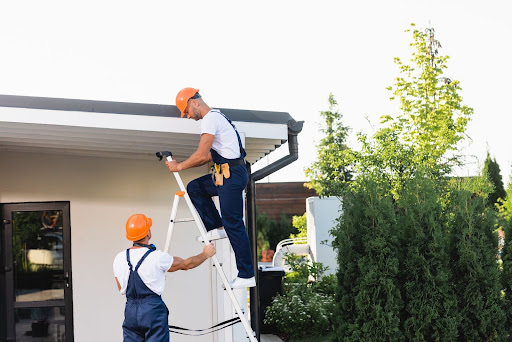
Understanding the Process of Installing New Gutters A contractor demonstrates installing new gutters for proper drainage and roof protection Water damage can destroy a home’s foundation, walls, and landscaping. Rainwater has nowhere to go without gutters, leading to costly roof repairs. Old, sagging, or clogged gutters make the problem even worse. Overflowing water can seep into basements, rot wood, and create mold issues. Installing new gutters is one of the best ways to protect a home from these risks. The right system directs water safely away, preventing structural damage and erosion. Knowing how to install gutters correctly saves money, ensures durability, and keeps a home safe for years. Why is Installing New Gutters Important? Installing new gutters isn’t just about home maintenance—it’s about protecting your investment. Without a proper gutter system, rainwater collects around the foundation, leading to cracks, basement flooding, and soil erosion. Old or faulty gutters can also cause roof leaks, mold growth, and siding damage, adding to costly repairs. A well-installed gutter system directs water safely away, preventing structural deterioration and extending the life of your home. Whether replacing outdated gutters or installing them for the first time, making the right choice now ensures long-term durability and peace of mind. Planning Before Installing New Gutters A well-planned gutter system prevents water damage and improves drainage. Choosing the right materials, style, and size ensures long-term performance. Before installation, homeowners must assess their roof’s drainage needs and select the most effective system. Proper planning makes the installation process more manageable and ensures lasting results. Assess Your Home’s Drainage Needs Each residential roof has unique drainage requirements based on its slope and size. A poor drainage system can lead to pooling water and foundation cracks. Evaluating where water flows during heavy rain helps determine downspout placement. Downspouts should direct water at least a few feet away from the foundation. Understanding these factors prevents costly structural damage. Choose the Right Gutter Material Gutters are available in aluminum, vinyl, steel, and copper, each with different benefits. Aluminum is lightweight and rust-resistant, and it is popular among homeowners. Vinyl is affordable but can crack in extreme weather conditions. Steel is durable but prone to rust if not correctly maintained. Copper offers a high-end look but comes with a higher price tag. Select the Proper Gutter Size and Style Gutter size affects how well it handles rainwater. Standard sizes range from five to six inches, with more extensive options available for heavy rainfall areas. K-style gutters hold more water and are decorative, while half-round gutters provide a traditional aesthetic. The chosen style should complement the home’s design and meet functional needs. Installing the right size prevents overflow and water damage. Tools and Materials Needed for Installing New Gutters Using the right tools and materials makes installation easier and ensures durability. Essential tools include measuring instruments, cutting tools, and fasteners. Quality materials help prevent leaks and withstand harsh weather conditions. Having everything ready before installation saves time and reduces errors. Essential Tools for Gutter Installation Accurate installation starts with proper tools like a tape measure, level, and chalk line. Snips or a saw help cut gutters to the correct length—a drill and rivet gun secure brackets and fasteners. Ladders and safety gear prevent injuries when working at heights. Proper tools ensure precision and a secure fit. Necessary Materials for a Durable System The primary materials include gutters, downspouts, brackets, and fasteners. Sealants are necessary to prevent leaks at connection points. Downspout extensions direct water away from the foundation. High-quality screws and anchors keep the system stable. Choosing durable materials reduces maintenance and extends gutter lifespan. Two builders on a ladder near the house facade prepare to install new gutters. Cost Breakdown for Installing New Gutters Understanding costs helps homeowners budget for gutter installation. Expenses vary based on materials, labor, and additional features. Comparing prices ensures a cost-effective yet high-quality installation. Proper budgeting prevents unexpected costs and delays. Material Costs and Price Comparisons Aluminum gutters cost between $5 and $10 per linear foot. Vinyl gutters are cheaper but less durable. Steel and copper are premium options with longer lifespans. Choosing the right material depends on budget and climate conditions. Investing in quality materials reduces long-term costs. Professional vs. DIY Installation Costs Professional roof installation costs an average of $1,000 to $2,500. DIY installation saves labor costs but requires time and tools. Hiring roofing professionals ensures precision and warranty coverage. If done incorrectly, DIY projects may lead to costly mistakes. The choice depends on experience and budget. Steps for Installing New Gutters Properly Proper installation ensures that gutters function correctly and last for years. Each step requires precision, from measuring and cutting to securing and sealing. A well-installed system directs water efficiently and prevents structural damage. Following the correct process helps avoid future problems: 1. Measure and Mark the Installation Area Accurate measurements prevent installation mistakes and ensure a proper fit. The slope should guide water toward downspouts without pooling. Using a chalk line helps maintain a consistent angle. Marking the positions of brackets ensures even support. Precise measurements keep the system functional and efficient. 2. Cut and Assemble the Gutters Gutters need to be cut according to roof dimensions. A saw or snips provide clean cuts for proper alignment. Sealing joints with caulk prevents leaks and extends durability. Connecting sections securely reduces the risk of separation. Proper assembly ensures smooth water flow and prevents sagging. 3. Attach the Gutters to the Fascia Gutters must be securely mounted to the fascia board. Brackets or hangers should be spaced evenly for stability. Screws should be tight but not overdriven to avoid damage. Properly securing gutters prevents sagging and detachment during storms. A strong attachment extends the lifespan of the system. 4. Install Downspouts and Extensions Downspouts are vital because they channel water from gutters to the ground. Proper placement prevents flooding near the foundation. Extensions direct water further away to avoid erosion. Secure fasteners keep downspouts in place during harsh weather. A well-positioned downspout system protects both