Insurance and Roof Shingle Repair: What’s Covered and What’s Not

Insurance and Roof Shingle Repair: What’s Covered and What’s Not When it comes to roof shingle repair, your homeowners’ insurance may or may not provide coverage depending on how the damage occurred. Most standard policies cover sudden and accidental events such as storms, hail, or falling branches that damage the roof. However, insurance companies generally exclude damage caused by age, improper installation, or poor maintenance. It is essential to read your policy closely to understand what your insurer considers a covered peril. Knowing these details will help you determine whether filing a claim is worth the effort. When Roof Shingle Repair Is Covered by Insurance In many situations, roof shingle repair is covered when damage results from severe weather or unexpected accidents. Hailstorms, high winds, and fallen trees are common causes that insurers typically recognize as valid claims. If your roof was in good condition before the event, the insurance company is more likely to approve coverage for repairs. The adjuster will inspect the damage to confirm it was caused by a covered peril rather than long-term wear. When approved, this coverage can significantly reduce your out-of-pocket expenses. Why Insurance May Deny Roof Shingle Repair Claims Not all roof shingle repair claims are approved, especially when the damage is linked to neglect or aging materials. Insurance providers expect homeowners to perform routine maintenance, such as replacing missing shingles and cleaning gutters. If the roof shows signs of long-term deterioration, the insurer may determine the damage was preventable. In those cases, the claim could be denied due to a lack of upkeep. Understanding this helps homeowners prioritize maintenance to avoid denial of legitimate claims. Roof Shingle Repair and the Role of Deductibles Even when your policy covers roof shingle repair, deductibles can affect how much you actually receive. A deductible is the amount you must pay before insurance contributes to the repair costs. If the total repair cost is close to your deductible, filing a claim may not be financially beneficial. For example, if your deductible is $2,000 and repairs cost $2,500, you would still pay most of the expense. Knowing your deductible helps you decide whether to file a claim or pay for minor repairs yourself. Roof Shingle Repair After Storm Damage Storms are one of the most common causes of roof shingle repair, and insurance companies typically respond quickly to these events. Wind and hail can cause sudden damage that is easy to document with photographs and inspection reports. It is important to contact your insurance provider as soon as possible after a storm to prevent further deterioration. The faster you act, the easier it is to prove the damage was weather-related. This urgency improves your chances of receiving coverage and prevents additional issues from developing. How Insurance Determines the Cost of Roof Shingle Repair Adjusters Inspect the Damage Insurance companies send adjusters to inspect the roof and determine the extent of the damage before deciding on coverage. Small Repairs for Minor Issues If the adjuster finds that only a small area is affected, the insurer may approve limited roof shingle repair rather than a full replacement. Shingle Availability Matters When matching shingles are no longer available, the insurance company may approve a larger restoration to maintain visual consistency. Appearance Affects Approval If repairs would create an uneven look or affect the roof’s performance, insurers often choose more extensive repairs or replacement. Understanding Helps You Negotiate Knowing how adjusters make decisions prepares you to discuss fair compensation and advocate for the right level of repair. Replacement vs. Repair in Roof Shingle Repair Claims In some cases, roof shingle repair claims may lead to complete roof replacement instead of patching damaged areas. This is common when the existing shingles are discontinued or when repairs would compromise the overall appearance. Insurance providers often prefer consistency across the roof to maintain property value and structural integrity. Replacing the entire roof can also be more cost-effective than repeatedly repairing small sections. Knowing this option exists can help you advocate for a better long-term solution. The Impact of Roof Age on Roof Shingle Repair Coverage The age of your roof plays a significant role in the outcome of roof shingle repair claims. Insurance companies may reduce or deny coverage for roofs that are considered near the end of their lifespan. Older roofs may only qualify for actual cash value, which factors in depreciation, rather than full replacement cost. This means you could receive less money than expected to complete the repair. Keeping your roof in good condition and replacing it before it becomes too old can improve future coverage. Preventive Maintenance and Roof Shingle Repair Approval Maintenance Boosts Approval Performing regular maintenance can increase your chances of approval when filing a roof shingle repair claim. Insurers Reward Proactivity Insurance companies favor homeowners who take proactive steps to protect their property from preventable damage. Small Fixes Show Care Cleaning debris, fixing minor issues, and scheduling inspections demonstrate responsibility and care to your insurer. Documentation Builds Proof When you provide records or photos of maintenance, it proves your efforts and supports your claim during evaluation. Preparation Improves Outcomes Staying organized and proactive can make the difference between an approved or denied roof shingle repair claim. Roof Shingle Repair and the Importance of Documentation Documentation is one of the most important steps in handling roof shingle repair claims. Taking clear photos of the damage, gathering repair estimates, and noting the date of the event helps prove your case. Written descriptions and contractor assessments can provide additional support. Insurance companies rely heavily on evidence when determining coverage and severity. The more organized and detailed your documentation, the more likely your claim will be approved. Working With Contractors for Roof Shingle Repair Claims Partnering with an experienced contractor can simplify the roof shingle repair process when insurance is involved. Skilled roofers understand how to identify storm-related damage and can help you gather evidence for your claim. They can also meet with the adjuster to ensure all repairs are
New Gutters vs. Gutter Repairs: Which Option Saves You More Money?
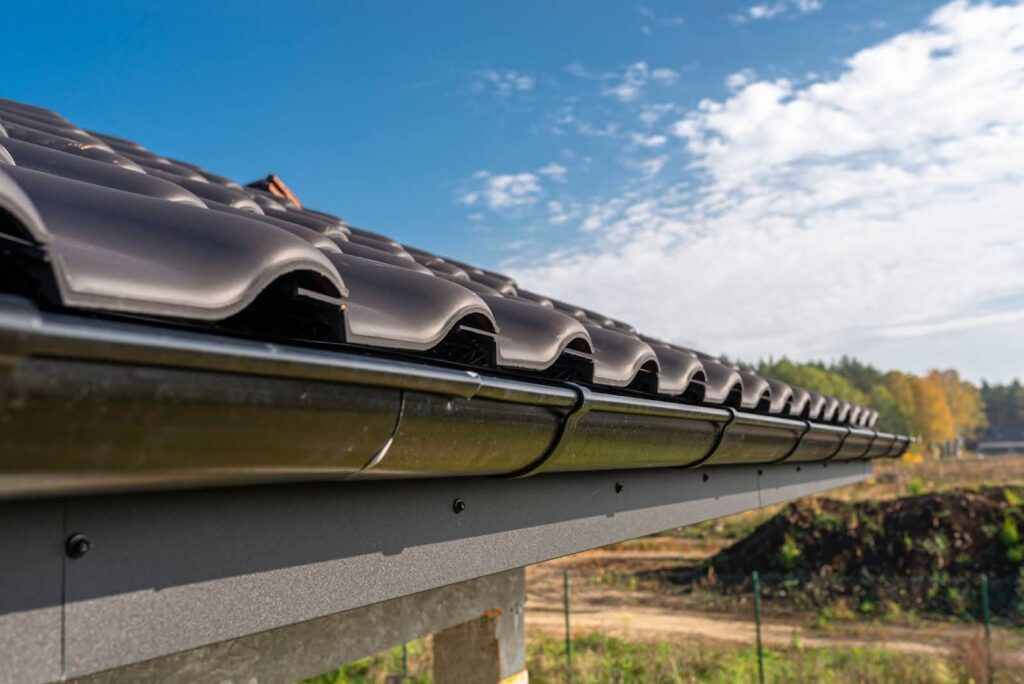
New Gutters vs. Gutter Repairs:Which Option Saves You More Money? When evaluating the costs of new gutters versus repairs, one of the most important factors is longevity. Installing new gutters typically comes with more extended warranties, more durable materials, and better alignment with current roofing systems. While the upfront cost may be higher, newer systems often require fewer maintenance calls and offer improved water flow. That reduced risk of leaks or overflow can protect your foundation, landscaping, and siding from future damage. Over time, these savings may outweigh the short-term benefits of patching up an old system. Preventing Recurring Damage Is Easier With New Gutters Choosing new gutters can eliminate recurring issues that come with aging or poorly installed systems. Old gutters may sag, leak, or clog more frequently, leading to water damage that repairs alone can’t fully resolve. By replacing the system entirely, you reset the structural integrity and can avoid repetitive patch jobs. This prevention strategy also helps mitigate mold growth and water intrusion into basements or crawlspaces. The savings from avoiding those problems may be substantial when compared to continuous repairs. Energy Efficiency Can Be Boosted Through New Gutters Reduce Excess Moisture Around the Foundation New gutters channel water away from the base of your home, preventing moisture buildup that can impact indoor comfort. Prevent Humidity From Entering the Home By keeping water from seeping into lower levels, new gutters help minimize indoor humidity that can make temperatures feel warmer or cooler than they are. Lower Strain on HVAC Systems Older or damaged systems allow pooling water that forces heating and cooling equipment to work harder, especially in wet seasons. Improve Overall Indoor Comfort Upgraded gutters help prevent unwanted heat or moisture retention that can affect airflow and temperature control inside the home. Save Money on Energy Bills With fewer humidity fluctuations and better HVAC efficiency, new gutters can contribute to lower utility costs throughout the year. For Older Homes, New Gutters Are Often the Smarter Investment If your current gutters are original to a home that’s decades old, new gutters are usually a smarter investment. Older systems often weren’t designed for today’s roofing slopes, rainfall intensities, or materials. Trying to repair them only masks bigger inefficiencies. Modern gutter systems offer better technology, such as seamless designs or larger downspouts, that perform better in today’s conditions. Rather than continually repairing a system that’s outlived its usefulness, replacing it helps future-proof your property. Increase Home Sale Appeal by Installing New Gutters When planning to sell, new gutters can add curb appeal and boost the perceived maintenance level of your home. Buyers are more inclined to trust a home with recent exterior upgrades, especially when they reduce the likelihood of future water issues. A new gutter system may not add thousands to your home’s value, but it can make the difference between a faster sale and a higher offer. On the other hand, visible wear or signs of patchwork repairs can deter buyers. Investing in new gutters becomes not just a financial decision but also a strategic one for resale. Repairs Add Up—New Gutters Could Be More Cost-Effective Many homeowners start with one repair and end up making several over the course of a year or two. These small expenses can add up quickly, making new gutters the more cost-effective choice in the long run. When repairs exceed 30–50% of the cost of replacement, most professionals recommend switching to a new system. Plus, installation typically includes removal and disposal of the old gutters, which simplifies your maintenance plan. It’s often wiser to invest once rather than repeatedly pay for temporary fixes. How Customizing Your System Is Easier With New Gutters Choose Colors and Styles Picking new gutters lets you match color and finish to your home’s exterior, improving curb appeal and visual cohesion. Select Materials that Last You can opt for materials like aluminum, copper, or coated steel when installing new gutters to get better corrosion resistance and longevity. Add Gutter Guards and Accessories New installations make it simple to include gutter guards, leaf filters, and splash blocks that reduce clogs and cleaning frequency. Tailor Downspouts and Flow Capacity With new gutters you can size downspouts appropriately and add extensions to control water flow away from foundations and landscaping. Seamless Integration With Roofline and Landscape A full replacement allows for seamless designs and proper alignment so the system works with your roof pitch and property grading for optimal drainage. Modern Features Make New Gutters a Reliable Upgrade Today’s new gutters offer features that older systems didn’t include. Seamless gutters, for example, reduce the chance of leaks, while internal hangers resist sagging better than spike-and-ferrule designs. Some materials, like aluminum and copper, resist rust and corrosion far more effectively than galvanized steel. These performance upgrades translate to fewer service calls and longer lifespan. Choosing a modern gutter system often brings a more efficient, less problematic experience. When Safety Matters, New Gutters Are the Safer Option DIY repairs may seem like a cheaper fix, but safety is often overlooked when compared to new gutters installed by professionals. Climbing ladders, securing sections, and troubleshooting drainage issues come with risks. A professionally installed system not only ensures safety but also includes warranties and code compliance. Poorly done DIY work can lead to more problems or even injuries. Spending more upfront for a safe, reliable installation can help avoid unexpected liabilities later. Storm Protection Is Stronger With New Gutters in Place If you live in an area prone to heavy rain, snow, or wind, new gutters are often essential for protecting your home’s exterior. Reinforced systems can better withstand strong elements without detaching or leaking. Older, damaged gutters may fail just when you need them most, leading to expensive emergency repairs. Investing in a durable system helps you stay ready for seasonal weather without scrambling to make last-minute fixes. That peace of mind is often well worth the initial investment. Deciding Between New Gutters and Repairs for Long-Term Savings Choosing between new gutters
Return on Investment: Why Installing Gutters Adds Value to Your Home
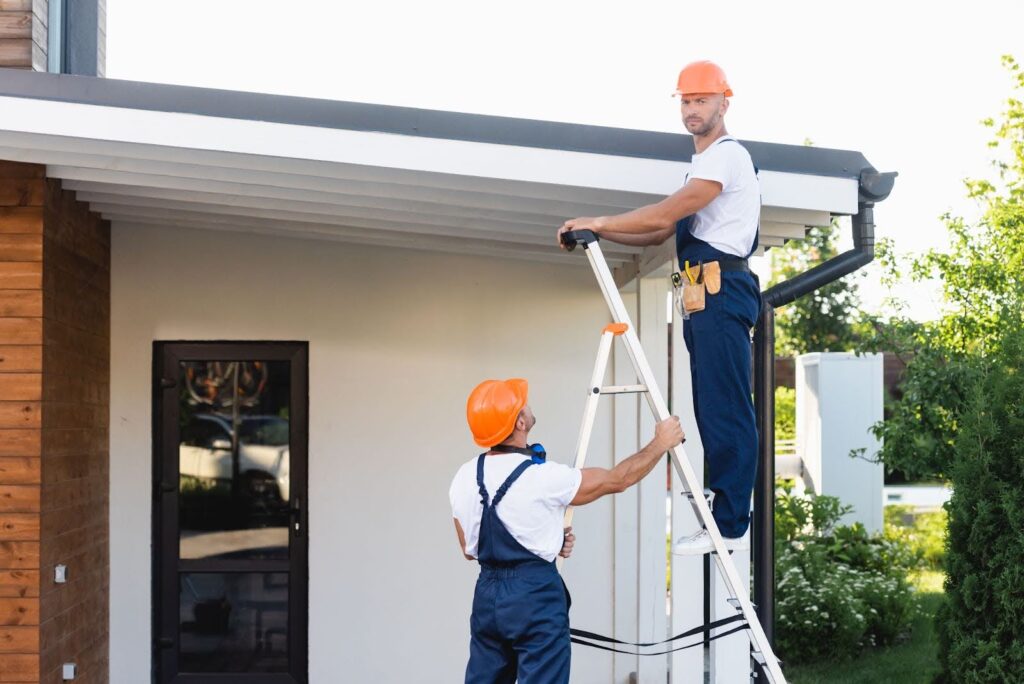
Return on Investment:Why Installing Gutters Adds Value to Your Home A home’s value is built one wise decision at a time. Among the quiet upgrades that deliver outsized benefits, installing gutters ranks near the top. Done well, it protects the structure, preserves finishes, trims maintenance, and signals care to buyers and appraisers. That combination turns a modest exterior project into a durable return on investment that compounds year after year. What Installing Gutters Signals To Buyers About Care And Value First impressions matter at showings and on appraisal walk-throughs. A clean, adequately sized gutter system tells a simple story: water is being managed, and the rest of the house likely enjoys the same level of attention. That perception isn’t fluff—it’s a shorthand buyers use to estimate future costs. When a roofline looks tidy, downspouts are set where they should be, and discharge flows away from the foundation, a home reads as lower risk. Lower perceived risk often translates into faster offers and stronger pricing. Installing Gutters As Foundation Insurance, Not Just A Trim Piece Water that sheets off a roof concentrates next to the foundation, where it can erode soil, flood window wells, and load hydrostatic pressure against basement walls. Installing gutters captures the flow and steers it into controlled paths, extending the life of the foundation and any below-grade finishes you’ve invested in. Direct Water Beyond The Splash Zone Extensions and drain tiles move runoff several feet from the house, where it dissipates safely. Soil Stays Where It Belongs By preventing erosion at drip lines, you preserve grading that keeps the home high and dry. Curb Appeal Math—How Installing Gutters Frames The Façade Gutters can be a background or design element. Color-matched K-style lines sharpen the roof’s edge; half-round profiles in a patinated metal add heritage charm. Thoughtful placement of outlets and elbows reduces visual clutter, letting trim and siding do the talking. When the roofline looks intentional, the entire façade feels more composed, and that polish increases perceived value—often more efficiently than larger, costlier exterior projects. Color Is A Quiet Upgrade Match fascia for a seamless edge or contrast slightly to outline architectural lines. Symmetry Reads As Quality Evenly spaced downspouts and mirrored runs create a finished, custom look. Installing Gutters To Protect Roof Edges, Fascia, And Soffits The roof is a system, and unmanaged water is its enemy. Without gutters, rain can curl under shingles, soak drip edges, and push into fascia and soffit vents. Over time, that moisture warps wood, peels paint, and invites mildew. Installing gutters intercepts the cascade, so those vulnerable edges stay dry. The payoff is slower material aging, fewer repair calls, and trim that remains straight and crisp—details buyers notice even if they can’t name them. Energy And Comfort Gains Tied To Installing Gutters Moisture management influences energy use. When water is kept away from foundation walls and crawlspaces, indoor humidity stays steadier, which makes heating and cooling systems work less to maintain comfort. The result isn’t a dramatic utility swing; it’s a gentle smoothing of seasonal extremes that reduces strain on equipment and preserves finishes in basements and lower levels. Dry Basements Feel Bigger Controlling dampness makes below-grade spaces more usable and appealing at resale. Consistent Humidity Protects Materials Trim, flooring, and paint last longer when moisture swings are minimized. Choosing And Installing Gutters That Fit The Home ROI starts with the right spec. Aluminum is standard for its balance of cost, durability, and color options. Steel offers strength where branches or ladders are frequent, and copper delivers a long service life and distinctive patina for high-visibility homes. Profile matters, too: K-style handles volume and blends with modern trim; half-round suits historic lines and cleans easily. Oversizing isn’t vanity—it’s capacity insurance in heavy storms. Right-Sizing Flow—Why Installing Gutters Requires Calculated Capacity Roof pitch, valley count, and regional rainfall should shape sizing and downspout strategy. Long, uninterrupted runs need expansion joints or strategically placed outlets, while complex rooflines benefit from more downspouts to split peak loads. Proper slope—a subtle fall toward outlets—keeps water moving without advertising the pitch to the eye. Get these fundamentals correct, and the system will perform quietly for years. Downspouts Do The Heavy Lifting More outlets at choke points prevent overflows that stain siding and saturate plant beds. Small Slopes, Big Effect Even a slight fall is enough to keep channels clear and reduce standing water. Installing Gutters With Guards And Leaf Management Trees add shade and value; they also add debris. The right guard style—perforated, micro-mesh, or reverse-curve—depends on leaf type, needles, and seed pods in your yard. Guards don’t eliminate upkeep, but they do extend cleanout intervals and keep channels open during storms when you need flow most. That reliability means fewer emergency calls and a lower chance of water seeping into places it shouldn’t. Match Guards To The Trees You Have What works for broad leaves may struggle with pine needles; choose accordingly. Access Remains Essential Design for occasional service so quick cleanups don’t become major projects. The Maintenance Dividend From Installing Gutters Done Right A well-built system simplifies your to-do list. Seasonal checks, quick rinses after heavy pollen, and fast reattachment of any disturbed straps typically suffice. Because water goes where you want it, siding stays cleaner, mulch doesn’t wash out, and concrete doesn’t develop splash-back stains. Less cosmetic damage means fewer weekend fixes—and fewer line items on inspection reports when it’s time to sell. Installing Gutters And The Invisible Roi—Codes, Insurance, And Appraisals Some jurisdictions and insurers look favorably on proven water-control measures. While you shouldn’t assume premium reductions, many appraisers note drainage improvements as part of the overall condition. Documenting materials, guard type, and discharge locations gives future buyers confidence and supports the home’s maintenance narrative. Keep A Photo Record Before-and-after images and receipts make the value clear to appraisers and buyers. Show Where The Water Goes Simple notes or a site sketch help new owners maintain what you built. Pairing Roofing Projects With Installing Gutters For Seamless Roi Roof replacements