Roof Repair in Orlando, FL | Febres Roofing
Fast, reliable roof repair in Orlando by Febres Roofing LLC. Call (800) 248-1759 for leak repairs, inspections, and free estimates.
Roof Leak Repair in Central Florida: Signs You Shouldn’t Ignore
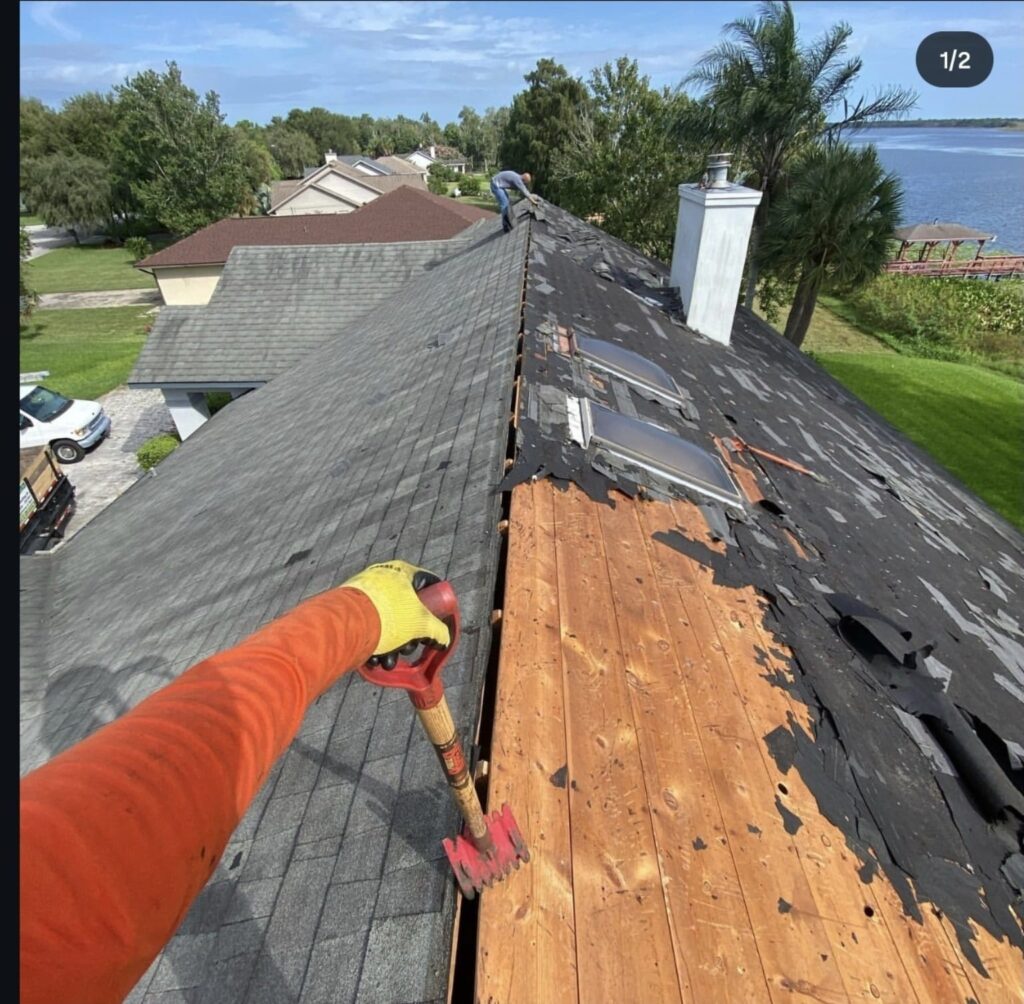
Learn the warning signs of a roof leak and how professional flashing, shingle, and roof repairs can protect your Central Florida property. Call Febres Roofing at 800-248-1759.
Types of Rain Gutters: Which One is Right for Your Property?
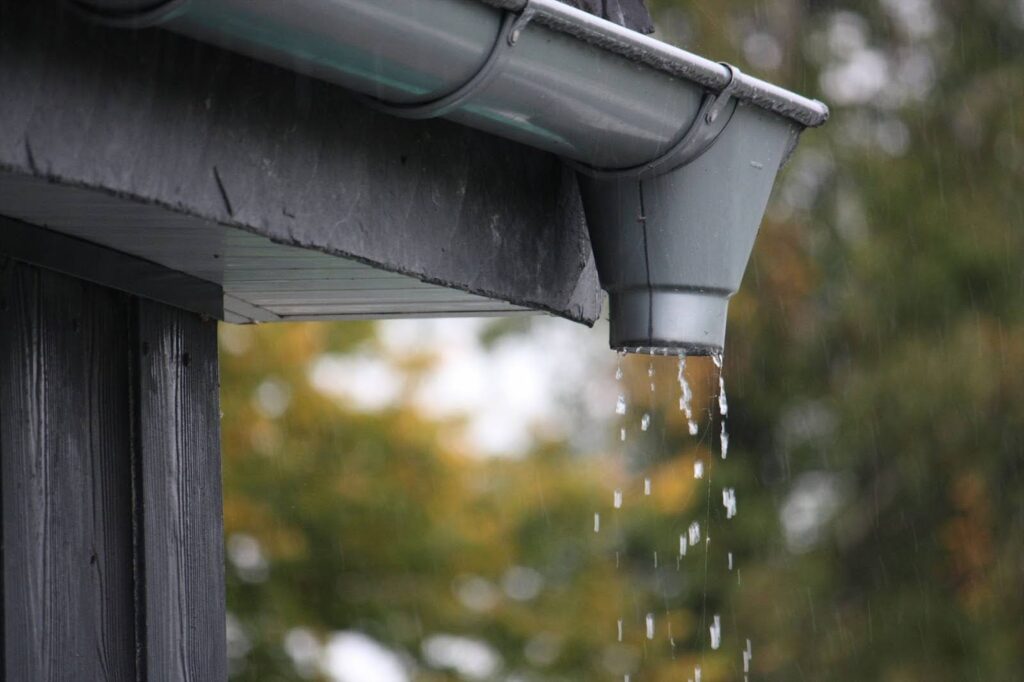
Types of Rain Gutters:Which One is Right for Your Property? Many property owners don’t think about rain gutters until problems start. However, waiting for roof rot, soil erosion, or foundation cracks means you’re already behind schedule. Choosing the right rain gutter system isn’t just about appearances. It’s about how well your home holds up when storms hit. A wise choice now can save thousands in damage later. Why Rain Gutters Matter More Than You Think When it rains, your roof catches more water than you may realize. Without the right gutter system, that water has nowhere to go but down. It can seep into walls, collect around the foundation, and even wash away landscaping. A well-installed gutter system controls this flow and directs water safely away. Protecting the Structure From Water Damage Rain gutters keep water from running down your walls. Over time, uncontrolled runoff causes wood rot, mold, and cracks. If you see stains or peeling paint near your roofline, failing gutters may be the reason. Structural damage often starts small, but it spreads fast. Rain gutters provide quiet yet powerful protection for your home’s exterior. Preserving Landscaping and Soil Integrity Your yard isn’t immune to gutter failure. Water pouring off the roof destroys flower beds and washes away mulch. Soil displacement can also expose tree roots or destabilize walkways. With properly positioned gutters and downspouts, you can maintain your landscape’s integrity. That means less replanting, fewer repairs, and a healthier outdoor space. Preventing Basement and Foundation Issues Foundations crack when too much water collects around the base. That water seeps into basements, causing musty smells or even flooding. Gutters help control where the water lands after it leaves your roof. By extending water runoff far from your foundation, gutters guard against expensive, deep-set damage. That is especially critical for older homes with porous concrete or brick foundations. Common Types of Rain Gutters Rain gutters vary widely in design, material, and performance. Each type has a specific shape and purpose. Some work better with sloped roofs, while others match older buildings or modern homes. Choosing the right one depends on your structure, style, and climate. K-Style Rain Gutters K-style gutters are among the most popular in residential homes. Their shape resembles crown molding, which adds a clean look. Due to their flat back and broad trough, they handle more water than rounded types, making them a strong option for homes in areas with high rainfall. However, their sharp corners collect debris, requiring more frequent cleaning. Half-Round Rain Gutters Half-round gutters are exactly what they sound like—open semi-circles. These work well for older homes or buildings with a vintage look. They’re easier to clean because debris doesn’t get caught in corners. However, they carry less water and may not be ideal for areas with heavy rainfall. Copper and galvanized steel are popular material choices for this style. Box Rain Gutters Box gutters are large, square, and built into the roof overhang. They’re usually used on commercial buildings or large residential properties. These gutters can handle a high volume of water, making them suitable for flat or wide roofs. However, they often require professional installation and more upkeep. If hidden gutters appeal to your aesthetic, box styles are the best choice for you. Rain Gutter Materials and Their Pros and Cons Your gutter’s shape isn’t the only decision you’ll make. The material matters as much. Each type has trade-offs in price, appearance, and durability. Understanding what works best for your home environment helps avoid costly mistakes. Aluminum Rain Gutters Aluminum is lightweight, rust-resistant, and easy to install. It’s one of the most commonly used materials for residential gutters. You can paint it to match your home or leave it as-is. However, it dents easily if hit by ladders or branches. Aluminum strikes a good balance between price and performance in areas with mild to moderate weather. Vinyl Rain Gutters Vinyl gutters are affordable and straightforward to install, making them ideal for DIY enthusiasts. They’re also rust-proof and won’t corrode over time. However, they become brittle in extremely cold temperatures and may sag if not properly supported. If your region experiences wide temperature swings, vinyl may not last long. They’re better suited for smaller homes in temperate climates. Copper Rain Gutters Copper offers beauty and long-term durability. It naturally forms a green patina that protects it from corrosion. These gutters are often found on historic or upscale homes. Installation is complex and usually requires soldering. While the upfront cost is higher, copper lasts for decades with minimal maintenance. Steel Rain Gutters Steel gutters are tough and can withstand harsh storms and falling debris. Galvanized versions resist rust better but still need periodic painting or coating. Stainless steel gutters are more durable but also more expensive. They’re an excellent match for areas with high rainfall or heavy snow. However, weight makes installation more labor-intensive. Zinc Rain Gutters Zinc gutters last even longer than copper, often up to 80 years. Over time, they develop a protective coating that prevents rust from forming. Like copper, zinc gutters are found on premium or custom-designed homes. Installation requires welding or specialized fittings. Zinc performs well in most climates but has a higher price tag and limited availability. Seamless vs. Sectional Rain Gutters Aside from shape and material, construction method matters. Gutters are either made in sections or custom-formed to your home. The difference between seamless and sectional systems affects longevity, appearance, and the risk of leaks. What Makes Seamless Gutters Stand Out Seamless gutters are made from one continuous piece of metal. This design means fewer joints and fewer leak points. They’re custom-cut on-site to match the dimensions of your home. That ensures a tight, clean fit and better performance during storms. Many homeowners find them more attractive and lower maintenance over time. Why Some Still Choose Sectional Gutters Sectional gutters come in pre-cut lengths and connect at seams. They’re easier to install and widely available in hardware stores. That makes them popular for DIY enthusiasts