How Roofing Maintenance Can Extend the Life of Your Roof
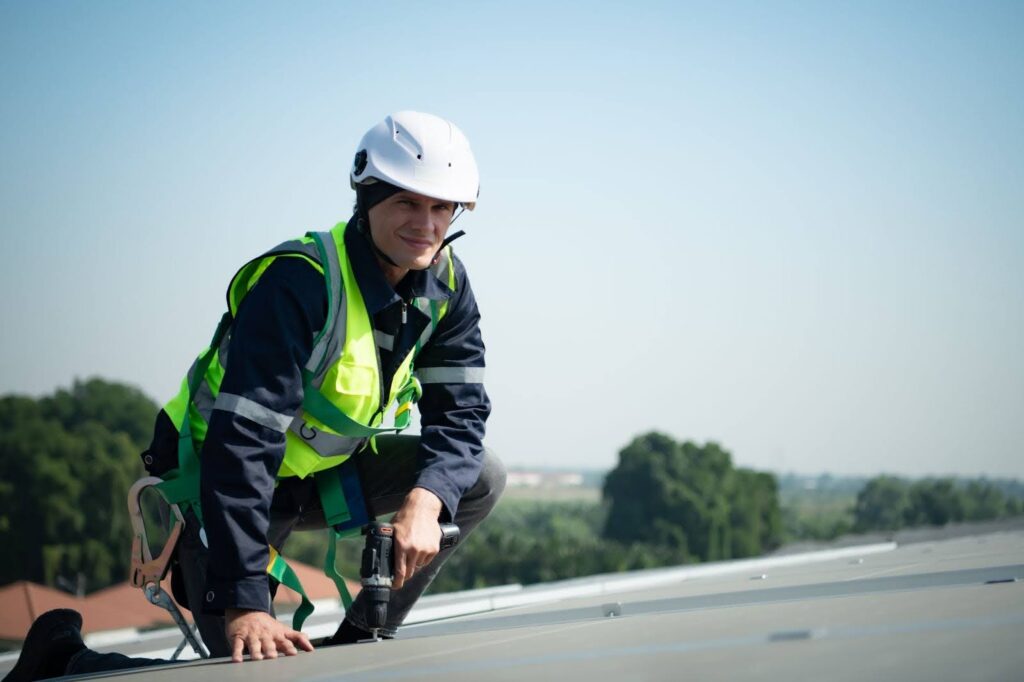
How Roofing Maintenance CanExtend the Life of Your Roof A roof isn’t just another part of your house. It’s the protective layer between your home and everything outside. Yet many homeowners don’t consider it until water drips from the ceiling. By then, what could have been a quick fix turns into an expensive project. Regular roofing maintenance isn’t just about avoiding repairs but saving thousands, keeping your home safe, and staying ahead of damage before it spreads. Why Roofing Maintenance is Worth Your Time and Money Roof maintenance helps you avoid unexpected damage and extends the life of your roofing system. Without it, your roof wears out more quickly, leaks form silently, and structural problems develop over time. Weather, UV rays, and poor drainage can all damage shingles, flashing, and decking. Maintenance slows that process and helps you plan your repairs with less financial stress. Small Roofing Problems Become Costly Fast Roofing issues, such as cracked shingles, minor leaks, or loose flashing, often start small. Left unattended, they quickly spread through the underlayment and into the framing or insulation. Mold, rot, and interior water damage become more complex and expensive. Regular maintenance helps identify these problems before they require partial or complete roof replacement. For example, the cost of replacing a few damaged shingles is a fraction of repairing water-damaged rafters. The Roof Shields the Home’s Entire Structure Your roof isn’t just a cover, but the first barrier against wind, rain, pests, and debris. When this barrier weakens, moisture can slip into attic spaces and walls, resulting in warped wood, peeling paint, and interior mold growth. Well-maintained roofing maintains its seal, keeping your structure dry and stable. Homes in regions with heavy rainfall or snow, such as the Pacific Northwest, especially benefit from consistent maintenance. Neglect Causes Stress to Structural Supports Ignoring roof issues increases the stress on your home’s framework. Wet insulation weighs down ceiling areas, and rotten decking weakens the surface beneath shingles. Over time, this stress leads to sagging, uneven rooflines, or even partial collapse. These repairs aren’t only costly but also potentially dangerous and disruptive. Preventive maintenance helps you avoid this downward spiral. What’s Included in Routine Roofing Maintenance A standard roof maintenance plan includes regular inspections, cleaning, and minor repairs. These services protect shingles, gutters, and waterproof layers from damage caused by weather and debris. Professional roofing contractors follow detailed checklists to identify and address every issue. Maintenance also includes documentation, which is helpful for warranties and property records. Biannual Roof Inspections are a Must Schedule roof inspections twice a year: in spring and fall. These checkups help professionals find storm damage, worn-out materials, and poor drainage. Roofing experts check for cracked shingles, lifted flashing, loose nails, and moss. They also inspect chimneys, skylights, vents, and gutters for leak risks. When you fix minor problems early, you avoid hefty repair bills down the road. Gutter Cleaning Keeps Water Away From Roofing Gutters control how water flows off your roof. When they’re clogged with leaves, twigs, or dirt, water backs up onto your roof and under shingles. That trapped moisture damages the decking below and contributes to rot. Seasonal gutter cleaning helps protect your entire roofing system. It also prevents ice dams during winter and minimizes overflow near the foundation. Replacing Damaged or Loose Shingles Shingles protect the underlayment and structure of your roof. Roofing layers become exposed when they become brittle, crack, or fall off. Replacing damaged shingles during routine maintenance stops water from getting in. It also preserves curb appeal and keeps your warranty valid. Consistent care means you don’t have to wait for leaks before taking action. Checking Flashing, Vents, and Roof Edges Flashing is the metal or sealant around areas like chimneys, skylights, and roof edges. If it cracks or pulls away, water seeps in where it’s hardest to notice. Roofers check and reseal these areas during maintenance visits. They also verify that vents aren’t blocked and no wildlife has made a home under the eaves. These detailed checks prevent quiet leaks that can go unnoticed for months. How Roofing Maintenance Saves You Money Long-Term Regular maintenance helps control roofing costs by preventing expensive repairs and premature replacements. Roof damage isn’t always visible from the ground, and repairs can already exceed budget by the time you spot a leak. Maintenance keeps these expenses manageable and predictable, especially over time. It Helps You Avoid High-Cost Emergencies Emergency roof repairs often cost more than scheduled upkeep. Storms, falling limbs, and sudden leaks can hit your home without warning. Contractors typically charge more for emergency visits, and rushed fixes often do not last. When you maintain your roof, you reduce the risk of urgent problems. Homeowners who stay consistent avoid stressful surprises and sudden repair costs. Better Roofing Means Lower Energy Bills Gaps in roofing materials allow heated or cooled air to escape, forcing your HVAC system to work harder and consume more energy. Sealing leaks and replacing cracked shingles keeps indoor temperatures more stable. Sound insulation under a well-maintained roof further enhances energy efficiency, resulting in monthly savings on your energy bill. Maintained Roofs Retain Resale Value A home with a neglected roof is harder to sell and may fail inspection. Buyers are quick to walk away from visible roof damage or outdated materials. However, a roof in good condition indicates that the entire home has been well-maintained. It also reduces negotiation and repair delays during a sale. This attention to roofing can improve your home’s resale value and marketability. Clear Signs You Need Roof Maintenance Some roofing problems require immediate attention, regardless of your last service date. Ignoring visible issues can lead to more significant structural concerns. Knowing what to look for helps you take action before the damage escalates. These signs often point to underlying wear or hidden leaks. Interior Water Stains Suggest Roof Leaks Water leaks through broken shingles, cracked flashing, or damaged roof vents. Even a small stain may point to moisture spreading above your ceiling. Left unchecked, the
The Cost of Neglecting Roof Maintenance: What You Need to Know

The Cost of Neglecting Roof Maintenance:What You Need to Know Every home relies on a solid roof. It’s the shield that stands between your family and the natural world. Still, many homeowners don’t think about their roofs until water drips into their living room. Skipping routine roof maintenance might seem harmless, but the impact increases faster than expected. Minor issues often go unnoticed until they become a severe financial headache. Why Roof Maintenance Should Never Be Ignored Your roof doesn’t just cover your house; it protects everything inside it. Neglecting maintenance can lead to far-reaching damage that extends beyond what is visible. Cracks and leaks may seem minor now, but they worsen over time. Roof upkeep isn’t just about safety but also thoughtful financial planning. Small Issues Turn Into Big Repairs Tiny leaks and loose shingles rarely stay small. Rain, wind, and time all contribute to their worsening. Water seeps into walls, ceilings, and support beams. Mold begins to grow, wood begins to rot, and your home loses its structural strength. Fixing it later often means replacing materials instead of repairing them. Weather Always Tests a Weak Roof No roof is safe from weather exposure. Sun, storms, snow, and temperature changes stress every part of it. Flashing wears out, seals crack, and materials weaken. A roof that isn’t maintained becomes fragile over time. When a storm hits, it’s usually the weakest point that fails first. Pests Find Their Way in Rodents, birds, and insects look for gaps and cracks in the structure. An unmaintained roof provides easy access. Once inside, they damage insulation, chew wiring, and nest where they don’t belong. Dealing with pests often requires both extermination and structural repair. Keeping the roof sealed is the best way to keep them out. The Hidden Costs of Skipping Roof Maintenance Most people assume they’ll save money by avoiding regular maintenance. The reality is just the opposite—unchecked damage results in surprise expenses that strain any budget. Hidden costs appear quickly and persist. Skyrocketing Repair Bills What begins as a minor leak can evolve into massive water damage. Emergency repairs come with premium labor costs. Materials also cost more during last-minute fixes, especially after storms when demand spikes. Contractors may charge more for jobs that require tearing into existing damage. Preventive work costs a fraction of what reactive repairs demand. Higher Energy Bills Gaps in the roof lead to air leaks, which force your HVAC system to work overtime. During summer, cool air escapes; in winter, heat leaks out. Utility bills continue to rise without a clear explanation. Sealing the roof and insulating properly helps stabilize your energy use. Insurance Claim Denials Home insurance doesn’t always cover preventable damage. If the insurer sees neglect, they might reject your claim outright. Most policies require evidence of upkeep. Without maintenance records or inspection reports, you’ll have to pay for all repairs out of pocket. That’s a painful lesson many homeowners learn too late. Roof Maintenance Costs Less Than Fixing Neglect Many people skip maintenance to save money. However, short-term thinking often leads to long-term damage. The price of fixing neglected issues climbs far above what regular care would have cost. Comparing real-world scenarios shows how quickly expenses multiply. Ignoring a Minor Leak A small leak near a vent may not seem urgent, but waiting can lead to severe damage. Over several months, water can seep into insulation, rot the roof decking, and foster mold growth inside walls. What could have been fixed for around $200 might turn into a $4,000 to $9,000 repair. Mold removal, drywall repair, and roof deck replacement add up fast. Small leaks don’t stay small for long. Skipping Annual Roof Inspections Years without inspection often mean problems go unnoticed until they’ve spread. Curling shingles and moisture damage may lead to partial roof replacement, wall repairs, and sagging underlayment. Depending on the extent of the damage, costs can range from $9,000 to $20,000. Regular inspections, typically costing $250 to $400 annually, help you avoid unexpected expenses and maintain your roof’s condition. Putting Off Gutter Cleaning Blocked gutters send water where it shouldn’t go. Overflow can rot fascia boards, seep behind siding, and damage the foundation. What starts as a neglected cleaning job can cost $4,200 to $9,800 in repairs. By contrast, regular gutter cleaning costs $150 to $300 per visit. Skipping it lets moisture attack your home from the edges inward. The Real Cost is Always Higher Later Damage from neglect rarely stays isolated. Rush fees, emergency labor rates, and temporary housing during major repairs increase costs. You might also lose insurance coverage or face rising premiums. Maintenance breaks up those expenses into manageable, planned actions. Waiting too long always costs more than staying ahead of the curve. Roof Maintenance and Home Value Go Hand in Hand Homeowners often focus on kitchens or landscaping when improving property value. But the roof can make or break a sale. It’s one of the first things appraisers and buyers evaluate. Ignoring it undermines your investment in the rest of the house. Curb Appeal Starts at the Top The roof is one of the first things buyers notice. Dark streaks, moss, or sagging lines signal problems. These visual cues often lower the perceived value of the entire home. A clean, well-maintained roof sets a strong first impression. It shows that the house has been well-maintained overall. Roof Age Impacts Market Price Age matters when it comes to roofing. A home with a 20-year-old roof is valued less than one with a newer, well-maintained one. Even if the roof hasn’t failed yet, visible wear reduces buyer confidence. Sellers often get higher offers when they show recent maintenance or replacements. A sturdy roof means fewer surprises for the next owner. Inspection Issues Delay Closings During the home sale process, buyers schedule inspections. Roof issues are a frequent reason for closings to be delayed. Repairs or price reductions may be demanded at the last minute. Keeping the roof in good shape avoids this disruption and allows transactions
How to Maintain and Care for Your Torch Down Roof
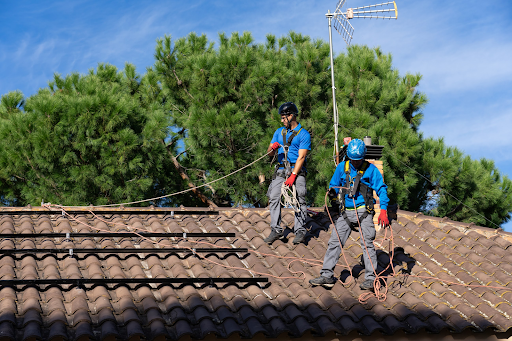
How to Maintain and Care for Your Torch Down Roof Three men working on a roof. Torch down roofing is a durable and popular choice for flat and low-slope roofs, particularly in areas with harsh weather conditions. It is known for its waterproofing abilities, resistance to UV rays, and exceptional strength. Torch down roofs are constructed using modified bitumen, which is applied to the roof using an open flame, forming a waterproof, heat-sealed membrane. While torch down roofs are built to last, they still require regular maintenance to continue performing effectively and to avoid unnecessary repairs or premature replacements. In this article, we will explore comprehensive roof maintenance practices that will help extend the lifespan of your torch down roof, minimize the risk of damage, and keep your roof functioning at its best. Whether you’re a homeowner or a business owner, following a consistent maintenance routine will ensure your roof stays in top shape for years to come. Understanding Torch Down Roofing Torch-down roofing is a highly durable and effective solution for flat and low-slope roofs. It is known for its ability to withstand harsh weather conditions and provide long-lasting waterproofing. This roofing system is made from modified bitumen, which is applied using a torch to create a seamless, heat-welded membrane that protects your building from moisture and UV damage. What Are Torch Down Roofs? Torch down roofs consist of a combination of asphalt and rubber that has been modified to make them more flexible and durable. Torch down roofing is applied in layers, which are sealed together by using an open-flame propane torch. This technique creates a durable, watertight membrane that protects against moisture and extreme weather conditions. There are two primary types of torch down roofing systems: the two-layer system and the three-layer system. The two-layer system involves applying a base sheet and a cap sheet, which is sufficient for many applications. However, the three-layer system incorporates an additional interply sheet for extra strength and durability, making it a better option for areas prone to extreme weather or additional wear and tear. Why is Maintenance Important? Although torch down roofs are highly durable, they still require regular attention and maintenance to ensure they continue performing effectively over time. With proper care, a torch down roof can last anywhere from 15 to 20 years, but neglecting routine maintenance can significantly shorten its lifespan. Why Regular Maintenance is Essential for Your Torch Down Roof Regular maintenance is essential for a torch down roof to prevent leaks, preserve the roof’s integrity, increase its lifespan, and improve energy efficiency. If left untreated, small cracks, punctures, or weak seams can lead to leaks over time, causing water damage. Routine maintenance ensures the roofing materials remain intact, providing reliable protection against the elements. Proper care helps extend the roof’s lifespan and prevents costly roof repairs. Additionally, a well-maintained roof plays a crucial role in regulating indoor temperatures, which can help reduce heating and cooling costs. By staying proactive with regular maintenance, you can avoid serious issues and keep your torch down roof functioning effectively for many years. Torch Down Roof Maintenance Tips Regular maintenance is key to ensuring that your torch down roof continues to perform optimally and remains free from costly damage. By incorporating simple yet effective maintenance practices, you can significantly extend the life of your roof and maintain its protective qualities. Conduct Regular Inspections Regular inspections are one of the most critical steps in maintaining your torch down roof. It’s recommended that you inspect your roof at least twice a year—once in the spring and once in the fall—though additional checks after severe weather events, such as heavy storms or snow, are also essential. Why Maintenance is Crucial for Your Torch Down Roof Maintaining your torch down roof is essential for several key reasons. First, regular upkeep helps prevent leaks by addressing small cracks, punctures, or weak seams that could lead to water damage over time. Second, routine maintenance preserves the roof’s integrity, ensuring that its materials remain intact and capable of providing reliable protection against the elements. Third, proper care can significantly increase the roof’s lifespan, preventing the need for costly repairs or replacements. Lastly, a well-maintained roof improves energy efficiency by regulating indoor temperatures, ultimately reducing heating and cooling costs. By staying proactive with your maintenance, you can avoid major issues and keep your torch down roof in excellent condition for years. Contractors working on a roof. Keeping Your Torch Down Roof Clean Over time, debris such as leaves, dirt, and twigs can accumulate on the surface of your roof, potentially obstructing drainage systems and increasing the risk of moisture retention. Left unchecked, this can result in the roof’s degradation or water pooling. To keep your roof in optimal condition, regularly clean the surface by using a broom or a leaf blower to remove debris. Focus on the roof’s surface, the gutters, and the downspouts to ensure that water can flow freely and that no debris prevents proper drainage. In addition to keeping the roof surface clear, inspect your HVAC units, vents, and any other protrusions for debris. Any blockage or buildup can affect the roof’s performance, so make sure everything is clean and functional. Maintaining Torch Down Roof Drainage Systems One of the most common threats to a torch down roof is ponding water. If water collects in one area of the roof and is not drained correctly, it can seep into the roofing material and cause extensive damage. To ensure proper drainage, gutters, downspouts, and roof drains should be regularly cleared of leaves and other debris. Water should be able to flow freely off the roof without pooling in low spots. If you notice any areas where water tends to collect, you may need to address the slope of the drainage system to promote better water flow. Trim Overhanging Tree Branches Tree branches that hang over your roof can be a significant risk, especially during high winds or storms. Falling branches can puncture or scratch the