How Roofing Tile Enhances Both Curb Appeal and Durability
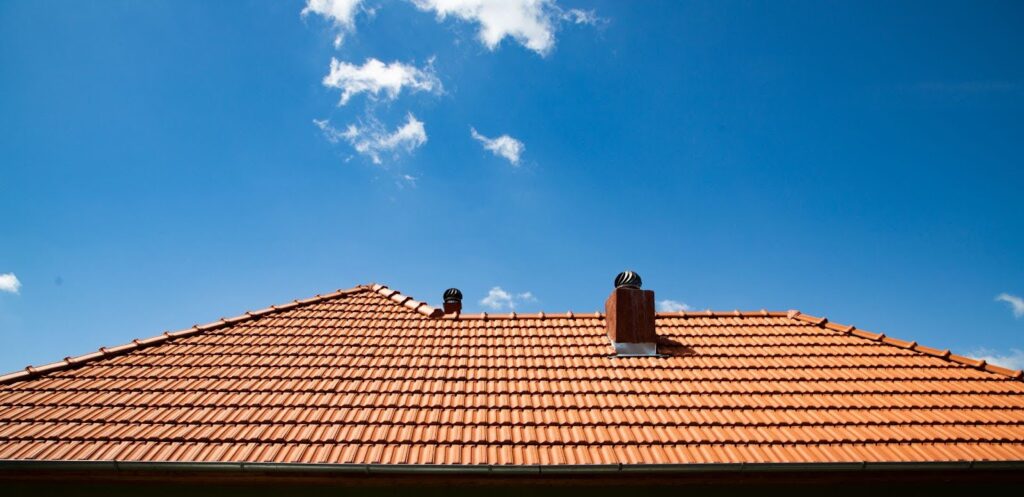
How Roofing Tile EnhancesBoth Curb Appeal and Durability From the street, a roof does more than keep the weather out—it sets the tone for the entire property. The color, contour, and texture of roofing tile read as craftsmanship from the curb while delivering stout protection against heat, wind, and flame. When chosen and installed well, roofing tile elevates architecture, stabilizes long-term maintenance costs, and adds a layer of confidence you can feel every storm season. How Roofing Tile Shapes The Home’s Character A roof can either recede into the background or function as a defining design element. Roofing tile, with its dimensional shadows and crisp lines, immediately signals permanence. Whether your home leans Mediterranean, modern, cottage, or mission, tile’s range of profiles creates a coherent visual story that blends the roof into the architecture rather than capping it like an afterthought. That visual integrity pays off in real ways: appraisers and buyers often associate tile with quality construction, and the eye remembers a roofline that looks intentional, not improvised. Roofing Tile Profiles, Colors, And Textures That Fit Your Style The design palette is vast. Roofing tile comes in low-profile, flat pieces for sleek silhouettes, high-barrel shapes for classic rhythm, and split-shake or slate impressions for historic charm. Matte, glazed, or weathered finishes offer another lever to calibrate tone, from sun-washed coastal to formal estate. Clay And Concrete Read Differently In Daylight Clay tends to hold color with a warm, mineral depth; concrete offers crisp edges and a vast array of color options. Match The Profile To Architectural Lines Modern homes often feature flat profiles, while barrel shapes tend to emphasize arches, courtyards, and stucco textures. Weathering The Extremes—Where Roofing Tile Proves Its Durability Beautiful surfaces are meaningless if they falter under stress. Roofing tile is engineered to endure scorching summers, pounding rain, freeze-thaw cycles, and high winds when properly specified. Individual tiles shed water rather than trap it, and the system encourages drainage even during sideways storms. In hot climates, tile’s mass resists thermal shock, and in colder regions, properly rated tiles handle freeze-thaw as long as the underlayment and flashing are detailed for drainage. Over decades, that resilience translates into fewer emergency repairs and less aesthetic fatigue. Roofing Tile Works As A System, Not Just A Surface The top layer gets the attention, but performance comes from the stack beneath it: underlayment, battens (if used), flashing, ventilation, and edge details. Roofing tile excels when these components are tuned to the home’s exposure, pitch, and climate. A well-detailed valley, for example, channels water onto the field tiles without back-flow; step flashing turns vertical walls into durable seams rather than leak risks. Underlayment Is The Quiet Hero. High-temperature, UV-resistant membranes protect decking and buy time if water sneaks past the surface. Flashing Details Make Or Break Longevity. Metal quality, gauge, and overlaps are more important than almost any other single component on the roof. How Roofing Tile Helps Stabilize Temperatures Tile’s mass and installation methods can create a micro-ventilated space under the field. That air movement, combined with the slower heat transfer through masonry-like material, can reduce heat gain into the attic during peak sun. In winter, the same mass slows rapid temperature swings. The effect is not magic insulation; it’s a subtle smoothing of extremes that can support comfort and help mechanical systems work less frantically on the hottest afternoons. Airflow Under The Roof Skin Matters Even small convection pathways can lower deck temperatures on punishing summer days. Reflective Finishes Add Another Lever Choosing lighter or engineered reflective surfaces amplifies thermal benefits without sacrificing style. How Does Roofing Tile Stand Up to Fire, Wind, And Sound Security is part of curb appeal because buyers read safety as value. Tile is often rated for high fire resistance, a confidence boost in wildfire-prone regions. Properly fastened, it withstands strong winds and the long fetch of coastal gusts, reducing the likelihood of missing-patch repairs after storms. The density of the field also provides a slight sound-dampening effect, softening roof-borne noise from rain or nearby traffic. You see beauty from the street and feel calm inside. What To Know Before Choosing Roofing Tile Weight should be respected, not feared. A competent contractor evaluates rafters, trusses, and decking, then designs the system accordingly. Where necessary, strategic reinforcement or engineered alternatives make tile feasible on many homes that weren’t initially built for heavy roofs. The key is to treat structure as part of the selection process, not an afterthought after colors are chosen. Why Roofing Tile Builds Long-Term Value Sticker price and ownership cost are not the same. While tile can start higher than some materials, it often wins out over the decades because it retains its shape, resists ultraviolet breakdown, and ages into a mellow patina rather than noticeable wear. Fewer tear-offs and less frequent replacements reduce both landfill trips and labor hours, while the home’s perceived quality tends to hold resale value. Add the intangible of “it just looks right” from the curb, and the investment case strengthens. Resale Is About Signaling A well-maintained tile roof conveys a premium construction, which can reduce time on the market. Fewer Cycles, Fewer Headaches Longevity reduces the administrative burden of constant re-roofing and unexpected repairs. The Environmental Story Behind Roofing Tile Sustainability isn’t only about recycled content; it’s about not replacing things prematurely. Because roofing tile lasts, it reduces the embedded carbon of multiple replacements. Many products incorporate reclaimed materials, and both clay and concrete are inert at the end of life. Couple that with potential thermal benefits, and you have a roof that can align with broader environmental goals without aesthetic compromise. Longevity Is The Greenest Spec The most eco-friendly component is the one you don’t have to replace for decades. Inert Materials Simplify End-Of-Life Tiles avoid the complications of certain composites and can often be repurposed in creative ways. Installation Practices That Let Roofing Tile Shine Even the best product underperforms with sloppy detailing. High-quality installations start with clean decking, proper underlayment, and straight,
Understanding the Lifespans of Different Types of Roof Shingles
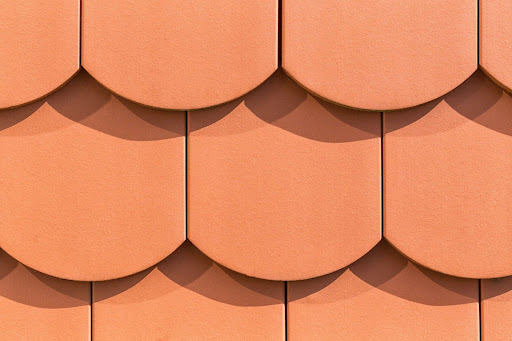
Understanding the Lifespans of Different Types of Roof Shingles Roof shingles do more than cover a structure—they determine how long a roof protects the property beneath it. Each type of shingle has a different lifespan, shaped by material, climate conditions, and care. Lifespan awareness guides property owners in making informed roofing choices and planning for maintenance or replacement. Knowing how long shingles last can prevent surprise repairs and support more innovative planning for future investments. What Are Roof Shingles? Roof shingles are individual roofing elements that cover a roof in overlapping sections to provide weather resistance and structural protection. They come in various materials for different looks, lifespans, and performance levels. Each type of shingle brings a distinct appearance that fits specific architectural styles and environmental conditions. In addition to aesthetics, shingles play a key role in insulation, drainage, and energy efficiency. Choosing the right type ensures both functional and visual harmony for your home. Types of Roof Shingles and Their Features Each type of roof shingle offers a unique feature, whether it’s durability, weather resistance, or visual impact. Choosing the right shingle depends on your climate, home style, and budget. Below is a guide to the most common shingle types and the standout qualities that make them intelligent choices for different roofing needs. Asphalt Shingles: Versatile and Cost-Effective Asphalt shingles have a flat, grainy surface and come in strips or laminated layers. Typically found in dark gray or black, they’re also available in various colors to suit modern or traditional homes. Known for their reliable performance, asphalt shingles easily handle wind, moisture, and UV exposure. Their ease of installation and affordability make them a go-to option for general-purpose roofing. Wood Shingles: Natural Charm With Timeless Appeal Made from cedar or redwood, wood shingles are thin, tapered pieces that create a rustic, textured look. They start as a warm brown and gradually fade into a soft gray, enhancing the character of cottage-style or historic homes. Besides their visual appeal, wood shingles naturally resist pests and decay. With proper maintenance, they offer a durable roofing solution that blends beautifully with nature. Metal Shingles: Modern Look With Strong Weather Defense Stamped to mimic slate or wood, metal shingles provide a clean, modern finish in various metallic tones. These shingles are built to last through harsh weather, including high winds, rain, and fire. Their interlocking design adds structural stability, while protective coatings guard against rust and fading. Ideal for areas with extreme conditions, metal shingles combine strength and style. Slate Shingles: Long-Lasting Luxury Cut from natural stone, slate shingles have a refined, textured finish that varies subtly in color and shape. Their weight and thickness give roofs a sense of permanence and elegance. Slate shingles can last for generations with minimal upkeep and are highly resistant to fire, water, and temperature extremes. They’re an excellent choice for homeowners seeking a timeless, high-end look with unmatched longevity. Clay Tile Shingles: Classic Style for Warm Climates Clay tile shingles feature a curved or flat profile and an earthy terracotta tone, which is ideal for Mediterranean or Spanish-style homes. Their natural heat resistance makes them perfect for sunny, dry climates. The curved design improves airflow beneath the roof, keeping interiors cooler. Clay tiles resist pests and salt air and maintain their vibrant color and shape over decades of sun exposure. Concrete Tile Shingles: Durable and Impact-Resistant Resembling clay tiles but with added weight and texture, concrete tile shingles offer rugged protection. Available in various colors and shapes, they can mimic high-end materials while withstanding hail, debris, and severe weather. Concrete tiles also resist fire and moisture, making them durable for homes in storm-prone or high-impact regions. Composite Shingles: Durable and Versatile Choice Composite shingles are made from synthetic materials replicating wood, slate, or tile with greater consistency and less maintenance. They feature clean edges, fade-resistant finishes, and high impact ratings. Lighter than traditional options, they’re easier to install yet offer durability and weather resistance across various climates. Composite shingles are ideal for homeowners seeking a balance of performance, aesthetics, and practicality. Lifespans of the Various Types of Roof Shingles Depending on their material and maintenance, different roof shingles are built to last for specific periods. Some are designed for short-term value, while others hold up over several decades. Knowing the average number of years the different roof shingles last helps choose the right roofing material for long-term protection. Asphalt Shingles (15 to 40 Years) Three-tab asphalt shingles usually last 15 to 20 years, but architectural styles extend that to around 25 to 30 years. Premium impact-resistant versions can reach up to 40 years. Ventilation and regular cleaning help them stay intact longer. Due to their affordable performance, they’re common in many buildings. Wood Shingles (20 to 40 Years) Most wood shingles last 20 to 30 years, but thinner, hand-split shakes often reach 30 to 40 years. Regular treatment protects against insects and moisture. Roofs in dry regions usually have better longevity. Maintenance is key to keeping wood roofs solid. Metal Shingles (40 to 100 Years) Steel and aluminum shingles last 40 to 70 years, while copper versions exceed 70 years and can go beyond 100. Protective coatings reduce corrosion and fading, requiring minimal upkeep to stay effective. Metal roofing holds up well across many climates. Slate Shingles (75 to 150 Years) Natural slate shingles often last 75 to 100 years, sometimes more. Premium stone roofs have been known to exceed 150 years. Their dense makeup resists water, fire, and extreme temperatures. Installation must be done precisely to handle the weight. Once installed properly, they stay in place for generations. Clay Tile Shingles (50 to 100 Years) Clay tile shingles regularly last 50 to 100 years. Their baked surface holds up against the sun and wind. Cracking can occur under impact, but aging is generally a slow process. They retain color well in sunny climates. When installed correctly, clay tile roofs can last reliably for decades. Concrete Tile Shingles (50 to 70 Years) Concrete tiles last
How Weather Conditions Impact Installing a Roof
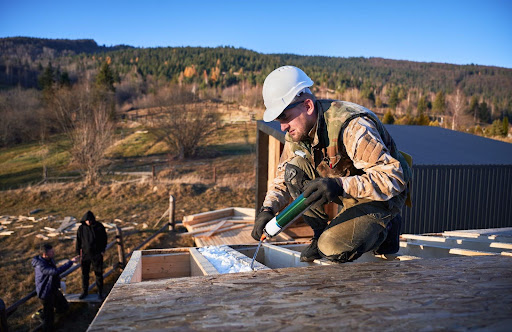
How Weather Conditions Impact Installing a Roof A low-angle shot of a roofer in a protective suit installing roofing materials on a high structure. Installing a roof requires precise timing, and weather conditions can heavily influence how the process unfolds. Rain causes delays and weakens material adhesion, while high winds increase safety risks and handling difficulties. Extreme temperatures affect how roofing materials behave and how efficiently crews can work. Ignoring these factors can lead to installation problems and shorter roof lifespans. Weather awareness is critical to getting the job done right and preserving the structure’s durability. Weather Conditions That Interfere With Installing a Roof Weather shifts can interfere with roofing work, affecting safety, material quality, and timeline. Roof contractors must constantly assess the forecast to avoid issues that delay progress or damage the structure. Rain, wind, heat, and cold all create installation risks. Roofing materials are sensitive to moisture and temperature, making planning essential. Each condition must be managed carefully to prevent problems that shorten roof lifespan: Heavy Rain Wet surfaces prevent proper adhesion of underlayment and shingles. Moisture trapped under materials can lead to warping and decay. Roofing adhesives won’t cure correctly in damp conditions. Working in the rain raises the risk of accidents and installation errors. Most crews postpone work entirely during heavy rain to avoid lasting damage. High Winds Strong gusts make it difficult to handle shingles and underlayment. Materials can lift or blow away before they’re secured, and equipment becomes unstable, increasing safety risks for roofers. Wind often requires extra securing steps that slow the process. Severe wind conditions can shut down a job site altogether. Extreme Heat High temperatures cause roofing materials to expand or soften. Shingles may warp or lose shape before being nailed down. Crew fatigue becomes a concern due to heat exposure. Heat can also cause adhesives to set too quickly. Projects often start earlier in the day to avoid mid-afternoon temperatures. Cold Weather Shingles become brittle and crack easily in freezing conditions, and adhesive strips don’t bond properly in low temperatures. Crews may need to use special tools or warming techniques. Delays are common due to safety concerns and material handling issues. Cold weather can lead to poor sealing and roof leaks later on. Snow and Ice Ice makes roof surfaces slippery and dangerous for workers. Snow buildup must be removed before roof installation can continue. Frozen materials don’t perform as expected during application. Water from melting snow can damage underlayment and decking. Installations are often paused until surfaces are obvious. How Regional Weather Impacts Installing a Roof Different regions experience seasonal weather patterns that directly impact when roofing projects can be safely and efficiently completed. Tropical areas experience frequent rainfall, arid regions face extreme heat and wind, and cold-weather zones are often limited by snow and ice. Timing projects around these patterns helps reduce installation problems, material damage, and crew safety risks. Contractors often rely on historical weather data to schedule roofing work during the most stable periods. Choosing the right season can make all the difference between a smooth installation and costly setbacks. Tropical Climates Frequent rainfall interrupts roofing progress and increases moisture-related risks. Short dry windows often limit the amount of work that can be completed in a day. Humidity can affect how adhesives are set and lead to long-term mold concerns. Roofing teams use fast-curing materials to adapt to these conditions. Careful weather monitoring is required for every scheduled job. Arid Regions Dry conditions support fast, uninterrupted roofing work with fewer weather delays. However, high heat and blowing dust can still cause installation issues. Crews often work early to avoid heat fatigue and material warping. Adhesives bond well in this climate but may require quick handling. Dust control becomes part of the preparation routine. Cold-Weather Areas Seasonal freezes shorten the working window for roofing crews. Winter brings material brittleness and slower sealing times. Roofing is often concentrated in spring and fall for better conditions. Snow and ice force delays or cancellations for safety. Contractors avoid cold-season projects unless materials and techniques are specifically winter-rated. Two roofers mount the OSB board on the roof. How Roofing Materials React to Weather During Installation Roofing materials must be handled with precision, especially when weather conditions change during the project. Temperature, humidity, and surface moisture can alter how each type performs during installation. Some become too fragile, while others may expand or fail to seal correctly. Timing and storage significantly impact the effectiveness of the material once applied. Contractors plan around these reactions to avoid performance issues after completing the roof. Asphalt Shingles Heat can soften asphalt shingles, making them more prone to warping. Cold weather turns them brittle, increasing the risk of breakage during nailing. Moisture prevents proper adhesion and can trap water under the surface. Crews must store and handle them carefully, depending on the temperature. They work best when installed between moderate temperature ranges. Metal Roofing Metal panels expand in heat and contract in the cold, which must be accounted for during installation. Poor timing can lead to misalignment or long-term buckling. Rain makes the surface slick and dangerous to work on. Snow or ice can cause dents if walked on too soon. Crews use specialized fasteners to manage thermal movement. Tile Roofing Clay and concrete tiles are heavy and fragile, especially during extreme cold. Freeze-thaw cycles can crack them if moisture seeps in. During high heat, adhesives may dry too quickly before placement is secure. Workers must exercise caution when handling tiles in shifting conditions. Installing them requires dry, stable weather for best results. How Weather Forecasting Supports Installing a Roof Accurate weather forecasting helps contractors avoid delays, protect materials, and maintain installation quality. Timing is critical when sealing, placing, and securing roofing components, and real-time weather updates help crews decide when to move forward or hold off. Tracking humidity, wind, and temperature ensures that materials bond correctly and workers stay safe. Forecasting tools also support scheduling across seasons, especially in regions with unpredictable weather. Being
Everything You Need to Know About Roof Installations
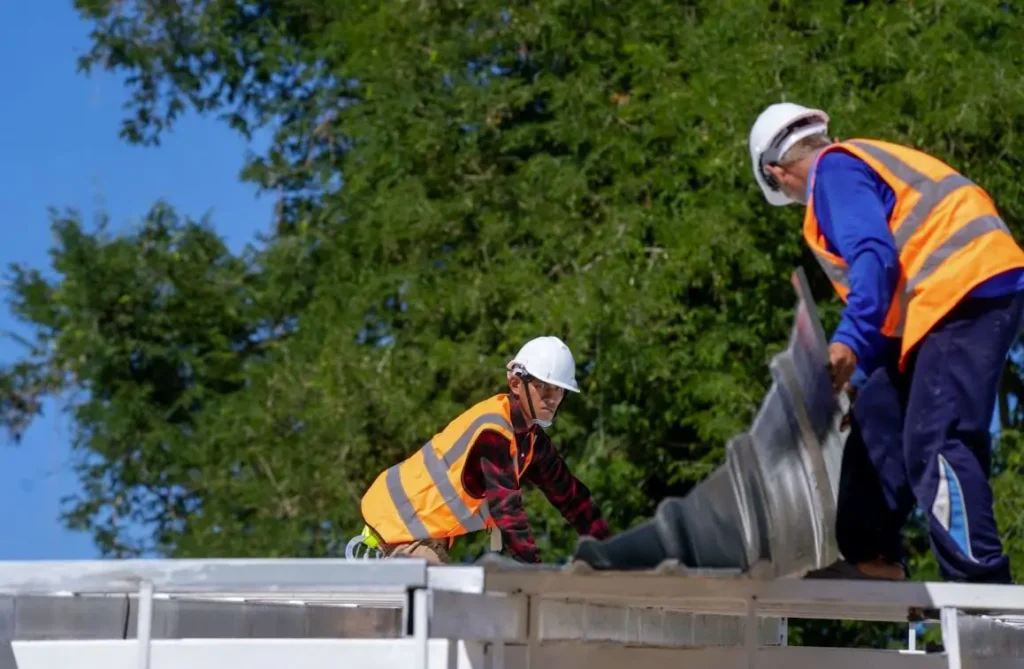
Everything You Need to Know About Roof Installations A properly installed roof protects a home from weather damage, improves energy efficiency, and enhances overall property value. The right materials and installation methods determine how long a roof lasts and how well it performs over time. Factors like climate, budget, and structural design influence roofing choices, making it essential to plan carefully. Poor quality can lead to leaks, high energy costs, and frequent repairs. Knowing the key steps involved, from selecting materials to ensuring proper maintenance, helps make informed decisions that contribute to long-term durability and performance. Understanding Roof Installations A roof installation involves more than just adding shingles or metal sheets; it involves careful planning, material selection, and precise workmanship. How well a roof is installed depends on its durability, energy efficiency, and overall performance. Knowing what goes into the process helps homeowners and property managers make the right decisions for long-term protection and value. Reasons Why a New Installation is Needed Roofs do not last forever, and several factors can make a new installation necessary. Ignoring signs of damage or deterioration can lead to major issues, including safety hazards and expensive repairs. Aging and Wear Most roofing materials have a lifespan, and deterioration begins once they reach their limit. Curling shingles, brittle materials, and frequent leaks indicate that replacement is necessary. Waiting too long increases the risk of interior damage. Storm and Weather Damage Severe weather conditions like strong winds, hail, and heavy rain can compromise roof integrity. Missing shingles, dents, or water infiltration weaken the structure. A complete installation is the best solution when repairs are no longer effective. Structural Changes and Upgrades Renovations, expansions, or better energy efficiency may require a new roof. Older materials might not meet modern standards or insulation requirements. Choosing updated roofing options can improve durability and long-term performance. Persistent Leaks and Moisture Issues Water intrusion leads to mold growth, rotting wood, and interior ceiling damage. If leaks continue despite multiple repairs, a complete roof replacement is necessary. Leaving moisture issues unaddressed can weaken the entire roofing structure. Code Compliance and Safety Requirements Older roofs may not meet updated building codes or safety regulations. Compliance with modern standards is essential if a home is undergoing major renovations or being put on the market. Installing a new roof ensures proper structural integrity and legal compliance. Factors to Consider Before Roof Installation A well-chosen roof balances durability, energy efficiency, and budget. Climate conditions, material lifespan, and structural compatibility influence long-term performance. Evaluating these factors prevents costly repairs and enhances property value. Climate and Weather Conditions Roofing materials must withstand local weather patterns to prevent premature damage. Metal roofs work well in areas with heavy snow, while clay tiles perform better in hot climates. Selecting the right material reduces wear and increases durability. Budget and Long-Term Costs Initial installation costs vary based on material and labor, but long-term expenses also matter. Cheaper options may require frequent repairs, while premium materials offer extended lifespans with minimal maintenance. Investing in quality roofing can save money over time. Aesthetic and Structural Compatibility The roof must complement the building’s design while meeting weight and structural requirements. Heavier materials like slate require reinforced framing, while lightweight options like asphalt shingles are more versatile. Balancing appearance and function ensures a stable and visually appealing result. Energy Efficiency and Insulation Some roofing materials offer better insulation and reflectivity, reducing heating and cooling costs. Light-colored or reflective roofs help in hot climates, while insulated metal or composite materials improve heat retention in colder regions. Choosing an energy-efficient option can lower utility bills. Maintenance and Lifespan Different roofing materials require varying levels of maintenance, affecting long-term upkeep costs. Asphalt shingles need periodic replacement, while metal and slate roofs offer decades of durability with minimal care. Selecting a material that fits maintenance preferences and lifespan expectations prevents frequent repairs. Building Codes and Regulations Local building codes dictate roofing materials, structural requirements, and safety standards. Following these regulations ensures compliance, enhances durability, and prevents legal issues. Ignoring codes can lead to penalties, failed inspections, or costly modifications. Permits and Approval Roofing projects often require permits to confirm compliance with zoning laws and safety rules. Securing the correct permits prevents delays, fines, and legal disputes. Proper documentation also simplifies future renovations or property sales. Materials Needed for Roof Installations Installing a roof requires the right combination of materials to ensure durability, weather resistance, and structural integrity. Each component protects the home while contributing to the overall lifespan of the roofing system. Choosing high-quality materials reduces the risk of damage and minimizes long-term maintenance costs. Proper planning ensures that every roof layer functions effectively to provide maximum protection. Roofing Shingles or Panels The outermost layer serves as the primary defense against the elements. Asphalt shingles, metal panels, clay tiles, and slate are common options, each offering different levels of durability and aesthetics. Selecting the right type depends on climate, budget, and personal preference. Underlayment A protective layer sits beneath the outer roofing material to provide an extra barrier against moisture. Felt paper and synthetic underlayments help prevent water infiltration and improve weather resistance. Proper underlayment selection ensures additional protection against leaks and structural damage. Flashing Thin metal sheets seal gaps and joints around chimneys, vents, skylights, and valleys. Aluminum, copper, and galvanized steel are common choices due to their durability and resistance to rust. Properly installed flashing prevents water from seeping into vulnerable areas. Roof Decking The base structure supports all roofing materials and ensures overall stability. Plywood or oriented strand board (OSB) is commonly used to provide a solid foundation. Damaged or weak decking must be replaced before installing new roofing materials. Fasteners and Adhesives Nails, screws, and roofing cement secure materials in place for long-term performance. Corrosion-resistant nails and specialized adhesives help withstand extreme weather conditions. Proper fastening prevents shifting, lifting, and premature roofing system failure. Choosing the Right Type of Roofs for Roof Installations Selecting the correct type of roof affects durability, energy efficiency, and