Why Every Roof Project Should Start With a Detailed Roof Estimate
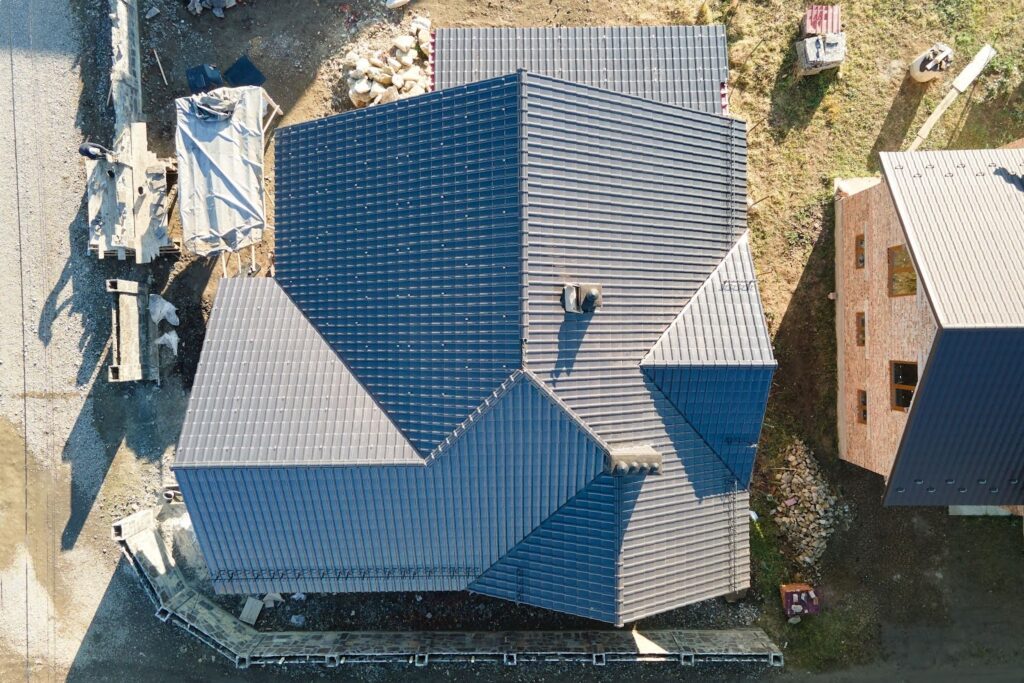
Why Every Roof Project Should Start With a Detailed Roof Estimate Homeowners and property managers don’t plan roofing projects for fun—they plan them to solve real problems without creating new ones. The fastest way to keep a roof replacement or repair on time, on budget, and on spec is to begin with a thorough, line-by-line roof estimate. More than a number, it’s a roadmap, a risk register, and a quality checklist in one. When you insist on detail before work begins, you gain leverage, clarity, and confidence all the way to final inspection. A Roof Estimate Sets Expectations You Can Hold To The right document tells you exactly what will be done, how it will be done, and what it will cost—before a single shingle is lifted. A complete roof estimate translates measurements into quantities, quantities into labor, and labor into realistic timelines, reducing the guesswork that often derails projects. It also clarifies responsibilities: who pulls permits, who protects landscaping, who manages debris, and who documents hidden conditions. When expectations are explicit, it’s easier to spot scope creep and to resolve disagreements without drama or delays. The Roof Estimate As A Scope-Of-Work Blueprint Treat the roof estimate like a technical drawing in words. It should call out tear-off requirements (one layer, two layers, or overlay), underlayment type, ice and water shield coverage, ventilation strategy, and the exact flashing approach for chimneys, skylights, and sidewalls. Good estimators also include allowances for decking repairs with a unit price, so there’s a fair and predictable way to handle rotten or split sheathing if it appears. This level of specificity prevents a common problem: vague language that leaves room for corner-cutting or mid-project upsells. Why A Roof Estimate Should Itemize Materials, Methods, And Warranties Itemization is where quality lives. An itemized roof estimate lists the manufacturer lines (not just “architectural shingle”), wind and algae ratings, fastener type, underlayment brand, flashing metals and gauges, and ridge/soffit ventilation products. It states whether step flashing will be replaced or reused, how pipe boots are sealed, and whether valley metal or woven valleys will be used. It also separates material warranties from workmanship warranties, noting who stands behind what—and for how long. With parts and methods laid bare, you can judge value instead of chasing the lowest headline price. Request Model Names And Warranty Terms In Writing Specific SKUs and durations ensure you receive the exact system promised, not a look-alike substitute. Keep Labor And Material Lines Separate Several factors influence the lifespan of your shingle roof. It’s not just about the material but also the conditions it’s exposed to. Every element matters, from storms to sun exposure to the quality of installation. A roof’s performance depends on more than just what’s visible on the surface. Using A Roof Estimate To Compare Bids Apples-To-Apples Comparing proposals is easy when each contractor is bidding on a similar scope. Provide your preferred roof estimate (the most detailed one you receive) as the baseline and ask others to price that identical scope—brands, quantities, flashing approach, ventilation, and cleanup included. If a contractor suggests a different method, have them add it as an alternative, not a replacement, so that you can evaluate the cost versus the benefit. By normalizing scope, you’ll quickly see who’s competitive, who’s cutting corners, and who adds value you actually need. Standardize Quantities And Definitions Across All Bids. Square counts, waste factors, and underlayment coverage must match or you’re not comparing the same project. Capture Exclusions In A Dedicated Section If skylight replacement, decking, or code upgrades are excluded, you’ll see it and can plan accordingly. How A Roof Estimate Reduces Change Orders And Mid-Project Surprises Unexpected costs usually hide in the cracks between assumptions. A thorough roof estimate closes those gaps by identifying likely risks up front: soft decking near eaves, corroded step flashing behind siding, or inadequate ventilation that will shorten shingle life. It anticipates the “if discovered, then do” actions and assigns fair unit prices for each, so discovery doesn’t turn into a dispute. Instead of renegotiating under pressure, you execute pre-agreed steps transparently. A Roof Estimate That Reflects Site Conditions, Safety, And Cleanup Two roofs with identical square footage can demand very different resources. Access constraints, steep pitches, multiple levels, tall ridgelines, or delicate landscaping all affect staging and labor. A complete roof estimate factors in the number and size of dump trailers, the need for a crane or material hoist, protective plywood pathways, tarping and magnet sweeps, and daily cleanup standards. Safety provisions belong here, too: tie-off plans, fall protection, and weather shutdown criteria. When site realities are priced in, your schedule and budget stop suffering from “we didn’t anticipate” claims. Roof Estimate As A Communication Tool For Insurance And Financing If your project is part of an insurance claim, a detailed roof estimate becomes the backbone of adjuster negotiations and supplements. It clearly distinguishes code upgrades from like-kind replacement, ties quantities to line-by-line pricing, and shows photos that justify damaged components the adjuster couldn’t see. For financed projects, lenders may require progress draws; your document should segment the job into milestones (material delivery, dry-in, final) with amounts that align with work completed. Good paperwork eases approvals and speeds reimbursements. Align Payment Draws With Objective Milestones When money follows measurable progress, everyone stays motivated and accountable Flag Code Upgrades As Distinct Line Items Separate pricing helps insurers and lenders approve necessary improvements without debate. Digital Tools That Make A Modern Roof Estimate More Accurate Today’s best roof estimate often blends on-site inspection with digital measurement. Drone imagery reveals valley geometry, penetrations, and hidden rot lines near gutters; satellite or LiDAR takeoffs deliver precise square counts and edge linear footage; annotated photos mark every chimney, cricket, skylight, and sidewall. Cloud-based estimates also track revisions, so there’s a transparent record of scope changes. Accuracy upstream reduces waste, improves crew planning, and lowers the odds of a material shortfall that halts production. What A Roof Estimate Should Say About Ventilation And Moisture Roofs often fail