What is TPO Roofing?
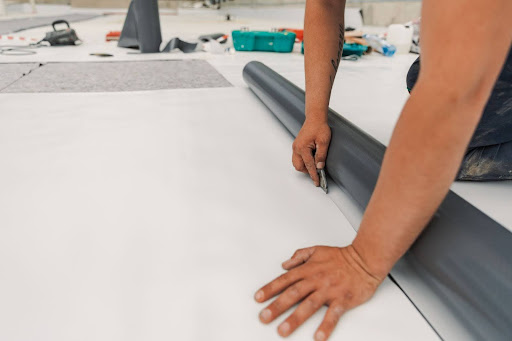
What is TPO Roofing? A worker carefully cuts a TPO roofing membrane sheet to ensure precise alignment during installation. TPO roofing is commonly used on flat or low-slope commercial roofs. It’s built to reflect sunlight, reduce heat absorption, and withstand punctures, UV rays, and chemical exposure. The material is lightweight and flexible, which makes it easier to install on large surfaces. Its growing popularity comes from cost efficiency, long-term durability, and energy-saving benefits. What is TPO Roofing and What Are Its Purposes? TPO roofing is a single-ply membrane made from thermoplastic polyolefin, commonly used on flat and low-slope roofs. Its composition offers durability, energy efficiency, and ease of installation, allowing it to serve multiple purposes in commercial roofing systems. Reflects Heat to Lower Energy Use TPO roofing has reflective surfaces that push back UV rays and solar heat. It helps regulate indoor temperatures and reduces strain on HVAC systems. Buildings stay cooler during peak sun exposure, lowering energy bills and improving operating costs. Protects Against Water Damage Its heat-welded seams and flexible membrane keep water from seeping through. TPO performs well during heavy rain and snow, especially on flat structures. It prevents leaks and minimizes the risk of mold or rot. The barrier helps preserve structural integrity over time. Speeds Up Commercial Roof Installation TPO is lightweight and comes in wide rolls that cover more ground in fewer passes. This makes it quicker for crews to install on large surfaces. Faster installation helps keep projects on schedule. Labor expenses also tend to stay lower compared to other systems. Works for Many Building Types TPO is suitable for low-slope roofs in warehouses, shopping centers, and office buildings. Its clean finish and adaptable installation methods fit different project needs. TPO offers a professional look while meeting building performance standards, making it a go-to solution for various commercial spaces. Helps Meet Green Building Goals TPO roofing contributes to energy-efficient construction due to its reflective surface. Some membranes are recyclable, supporting the use of sustainable materials. It aligns with certifications like LEED by helping lower a building’s environmental footprint. Developers aiming for greener builds often choose TPO to meet those benchmarks. What TPO Roofing is Made of TPO roofing is a synthetic membrane engineered for commercial flat and low-slope roofs. It combines different materials to create a surface that’s strong, flexible, and resistant to weather damage. Each component works together to deliver performance, durability, and energy savings: Thermoplastic Polyolefin Base The core material is a blend of polypropylene and ethylene-propylene rubber. This combination creates a flexible yet durable sheet that resists tears and punctures. It also adapts well to movement and temperature changes. The base layer sets the foundation for the membrane’s strength. Reinforced Fabric Layer A polyester fabric is often embedded between the top and bottom layers. This layer adds structural support and enhances the membrane’s stability. It prevents stretching and helps maintain the roof’s shape over time. Reinforcement is critical for resisting high winds and heavy foot traffic. UV-Resistant Additives Manufacturers mix in UV stabilizers and antioxidants during production. These additives protect the membrane from sunlight degradation. They extend the roof’s lifespan by minimizing brittleness and surface cracks. Over time, this helps maintain the roof’s energy performance. Thickness and Membrane Layers TPO roofing comes in various thicknesses, typically 45 to 80 mils. Thicker membranes offer better resistance to punctures and environmental stress. The top layer handles exposure, while the bottom supports adhesion and insulation. Choosing the right thickness depends on usage, climate, and budget. Color and Finish Options TPO membranes are typically produced in white, gray, or tan finishes. The white version is most common due to its high reflectivity and energy-saving benefits. Some manufacturers offer custom colors to match design needs without affecting performance. The smooth finish also resists dirt buildup, enhancing the roof’s clean appearance. A tightly rolled sheet of TPO roofing membrane on a flat surface, ready for installation on a commercial roof. Common Applications for TPO Roofing Thanks to its efficiency, flexibility, and cost advantages, TPO roofing is preferred for commercial and industrial projects. It works well across various property types with flat or low-slope structures. The following applications show where TPO delivers the most value: Warehouses and Distribution Centers Large commercial buildings benefit from TPO’s reflective surface, which helps control internal temperatures. The wide membrane rolls make installation fast on expansive flat roofs. TPO’s durability also withstands foot traffic from maintenance crews. Energy savings and minimal upkeep make it ideal for logistical operations. Office Buildings TPO gives office complexes a clean, professional roofline while helping reduce cooling costs. Its ability to integrate with rooftop HVAC systems makes it easy to maintain. The membrane also handles seasonal temperature shifts without cracking. Property managers choose TPO for its longevity and low overhead. Retail Stores and Strip Malls Retail locations often have broad, flat roofs that suit TPO installation. The bright surface reflects sunlight, improving interior comfort for customers and employees. TPO is also compatible with rooftop signage and light installations. It keeps the roof looking clean and presentable from above. Medical and Institutional Facilities Hospitals and schools rely on TPO roofing for consistent indoor climate control. Its reflective surface and watertight seal help maintain a safe environment year-round. The membrane also reduces noise transmission from rain and wind. Facilities teams appreciate its easy upkeep and strong performance record. Industrial Plants Factories and production centers need a roof to handle heat, chemicals, and heavy wear. TPO’s resistance to grease and pollutants makes it well-suited for this setting. Its reinforced design adds strength without excessive weight. The membrane also offers vents, ducts, and other rooftop installations flexibility. Multi-Tenant Commercial Properties TPO works well for strip centers, commercial condos, or multi-unit office parks. It supports varying load requirements and frequent rooftop adjustments. Its clean aesthetic adds curb appeal to tenant-facing buildings. Owners appreciate the long-term cost control and low maintenance needs. Why TPO Roofing is Commonly Used TPO roofing is widely used in commercial construction because it balances performance, cost, and